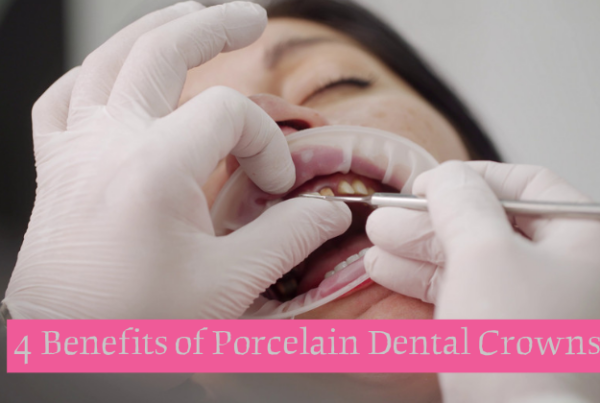

Many people feel nervous when they hear they need a root canal. However, modern root canal therapy is a routine dental procedure designed to relieve pain, eliminate infection, and preserve your natural tooth whenever possible.
If your dentist has recommended root canal treatment, understanding the process can help you feel more prepared and confident. Whether you’re experiencing persistent tooth pain or have been diagnosed with an infected tooth, knowing what to expect before treatment is the first step toward protecting your oral health.
If you’re looking for trusted dental care in Encino, CA, this guide explains everything you should know before undergoing root canal therapy.
What Is Root Canal Therapy?
Root canal therapy is a procedure that treats infection or damage inside a tooth. Deep within every tooth is a soft tissue called the pulp, which contains nerves, blood vessels, and connective tissue. When the pulp becomes infected or inflamed due to decay, trauma, or cracks, it cannot heal on its own.
During treatment, your dentist:
- Removes the infected or damaged pulp
- Cleans and disinfects the root canals
- Seals the canals to prevent future infection
- Restores the tooth with a filling or dental crown when necessary
The goal is to save your natural tooth rather than remove it.
Signs You May Need a Root Canal
Not every toothache requires root canal therapy, but certain symptoms often indicate infection inside the tooth.
Common signs include:
- Persistent tooth pain
- Sensitivity to hot or cold that lingers
- Pain when biting or chewing
- Swollen or tender gums
- A small bump on the gums near the affected tooth
- Tooth discoloration
- Facial swelling in more advanced cases
Some infected teeth cause very little discomfort, which is why regular dental examinations remain important.
Research published by the American Association of Endodontists (AAE) notes that saving natural teeth through endodontic treatment often provides better long-term chewing efficiency and function than extraction followed by replacement whenever the tooth can be preserved.
What Causes Tooth Pulp Infection?
Several dental problems can allow bacteria to reach the pulp.
Common causes include:
- Deep cavities
- Untreated tooth decay
- Cracked or fractured teeth
- Repeated dental procedures on the same tooth
- Dental injuries
- Severe gum disease in some cases
Once bacteria enter the pulp chamber, inflammation develops and may eventually spread into the surrounding bone if left untreated.
How to Prepare Before Your Appointment
Preparing for root canal therapy is usually simple.
Before your visit:
Eat a Normal Meal
Unless your dentist provides different instructions, eating beforehand is generally recommended since the treated area will remain numb for several hours afterward.
Take Medications as Directed
Continue prescribed medications unless your dentist advises otherwise. If antibiotics have been prescribed before treatment, complete them exactly as instructed.
Share Your Medical History
Inform your dental team about:
- Current medications
- Allergies
- Medical conditions
- Pregnancy
- Previous reactions to anesthesia
This helps ensure safe and personalized treatment.
Get Plenty of Rest
Being well-rested can help reduce stress and make your appointment more comfortable.
What Happens During Root Canal Treatment?
Many patients are surprised to learn that root canal therapy feels similar to receiving a filling.
The procedure generally includes:
1. Local Anesthesia
Your dentist numbs the area to keep you comfortable throughout treatment.
2. Tooth Isolation
A protective dental dam is placed around the tooth to keep it clean and dry.
3. Cleaning the Infection
A small opening is created to remove infected pulp tissue and disinfect the root canals.
4. Filling the Canals
The cleaned canals are sealed with a biocompatible material to help prevent reinfection.
5. Restoring the Tooth
Depending on the tooth’s condition, your dentist may place a temporary filling before completing the final restoration with a permanent filling or crown.
According to research published in the Journal of Endodontics, modern root canal treatment has a high long-term success rate when proper cleaning, sealing, and restoration are completed.

Does Root Canal Therapy Hurt?
This is one of the most common concerns patients have.
Thanks to modern anesthesia and improved techniques, most patients experience little discomfort during treatment. In fact, root canal therapy is intended to relieve the pain caused by an infected tooth rather than create additional discomfort.
A systematic review published in the International Endodontic Journal found that postoperative discomfort after root canal therapy is generally mild and decreases significantly within the first few days.
Mild soreness afterward is normal and is often managed with over-the-counter pain medication recommended by your dentist.
Recovery After Treatment
Recovery is typically straightforward.
Most patients can return to work or normal daily activities the following day.
During recovery:
- Avoid chewing on the treated tooth until it has been permanently restored.
- Brush and floss as usual.
- Take prescribed medications if needed.
- Attend follow-up appointments.
- Contact your dentist if swelling or severe pain develops.
Receiving a permanent crown when recommended is especially important because it strengthens the tooth and reduces the risk of fracture.
What Happens If You Delay Treatment?
Ignoring an infected tooth allows bacteria to continue spreading.
Potential complications include:
- Increasing pain
- Dental abscess formation
- Bone loss around the tooth
- Swelling
- Tooth loss
- Infection spreading into nearby tissues
The American Dental Association (ADA) emphasizes that early treatment of dental infections helps preserve natural teeth and reduces the need for more extensive procedures later.
Seeking treatment promptly often results in a simpler recovery and better long-term outcomes.
How Successful Are Root Canals?
Root canal therapy has become one of the most predictable procedures in modern dentistry.
With proper restoration and good oral hygiene, many treated teeth remain healthy for decades.
Success depends on several factors, including:
- Early diagnosis
- Thorough cleaning of the canals
- Proper sealing
- Placement of a permanent restoration
- Good home oral hygiene
- Routine dental checkups
Maintaining regular preventive care helps your dentist monitor the treated tooth and identify any concerns early.
Can Root Canal Therapy Be Prevented?
Although not every case is preventable, healthy habits significantly reduce your risk.
Protect your teeth by:
- Brushing twice daily with fluoride toothpaste
- Flossing every day
- Limiting sugary foods and beverages
- Wearing a mouthguard during sports
- Avoiding chewing ice or hard objects
- Visiting your dentist for regular examinations and cleanings
Early treatment of small cavities often prevents infection from reaching the tooth’s pulp.

Schedule Your Root Canal Consultation at Encino Friendly Dental Center
If you’re experiencing persistent tooth pain or have been told you may need root canal therapy, early evaluation can help save your natural tooth and prevent more serious complications. At Encino Friendly Dental Center, we provide family, cosmetic, and general dentistry for patients throughout Encino, CA, and the surrounding communities. Our team focuses on comfortable, patient-centered care while using modern techniques to restore your oral health.
Visit https://encinofriendlydentalcenter.com/ to schedule your consultation and learn how prompt treatment can help protect your smile for years to come.