Regular dental visits play an important role in protecting your oral health and helping prevent more serious problems later on. Still, many people put off appointments because they are unsure what happens during a dental exam and cleaning. Some patients worry about discomfort, while others simply do not know what to expect during the process.
At Encino Friendly Dental Center, patients in Encino, CA, and the surrounding areas receive comprehensive dental care in a comfortable and welcoming environment. Whether you are visiting for a routine checkup or returning after some time away from the dentist, understanding each step of the appointment can help you feel more prepared and confident.
This guide explains what typically happens during a professional dental exam and cleaning, why these visits matter, and how they support long-term oral health.
Why Routine Dental Exams and Cleanings Matter
Dental exams and cleanings help detect issues early before they become larger concerns. Cavities, gum disease, enamel wear, oral infections, and even signs of certain medical conditions can often be identified during routine visits.
According to the American Dental Association, regular dental visits combined with proper brushing and flossing habits help reduce the risk of tooth decay and gum disease. Professional cleanings also remove plaque and tartar that cannot always be removed at home.
Many dentists recommend dental exams and cleanings every six months, although some patients may benefit from more frequent visits depending on their oral health needs.
1. Reviewing Your Dental and Medical History
Most appointments begin with a review of your dental and medical history. This step helps the dental team understand any changes that may affect your oral health or treatment options.
You may be asked about:
- Current medications
- Allergies
- Medical conditions
- Recent dental symptoms
- Sensitivity or pain
- Bleeding gums
- Changes in overall health
This information helps the dentist identify potential concerns and personalize your care plan.
For example, conditions such as diabetes, dry mouth, acid reflux, and certain medications can directly affect oral health. Open communication during this stage allows your dentist to provide more effective care.
2. Dental X-Rays if Needed
Dental X-rays are not required at every appointment, but they are often taken periodically to help identify issues that may not be visible during a standard exam.
X-rays can help detect:
- Cavities between teeth
- Bone loss
- Impacted teeth
- Infections
- Jaw concerns
- Cracks or damage below the surface
Modern digital X-rays use very low levels of radiation and provide detailed images quickly.
Your dentist will determine whether updated X-rays are necessary based on your dental history, symptoms, and the timing of your previous imaging.
3. The Professional Dental Cleaning
The cleaning portion of the visit is usually performed by a dental hygienist. Professional cleanings focus on removing plaque, tartar, and surface stains that regular brushing and flossing may miss.
Removing Plaque and Tartar
Plaque is a sticky film of bacteria that constantly forms on teeth. If plaque is not removed regularly, it hardens into tartar.
Unlike plaque, tartar cannot be removed with brushing alone. Professional dental tools are needed to safely remove buildup from the teeth and around the gumline.
The hygienist carefully cleans these areas to help reduce the risk of:
- Cavities
- Gum inflammation
- Bad breath
- Gum disease
Some patients experience mild sensitivity during this step, especially if there is tartar buildup or gum inflammation, but the process is generally well tolerated.
Deep Cleaning Between the Teeth
After tartar removal, the hygienist may floss between the teeth to remove any remaining debris and check for bleeding gums or other signs of irritation.
This step also helps identify areas where patients may need to improve daily flossing habits at home.
Polishing the Teeth
Next, the teeth are polished using a soft rotating tool and a gritty toothpaste-like material. Polishing helps remove surface stains caused by foods, coffee, tea, or tobacco products.
The result is a smoother, cleaner tooth surface that may also make it harder for plaque to stick to the teeth immediately after the cleaning.
Fluoride Treatment
Some patients may receive a fluoride treatment at the end of the cleaning. Fluoride helps strengthen enamel and reduce the risk of cavities.
Fluoride treatments are especially common for:
- Children and teens
- Patients with a history of cavities
- Patients with enamel wear
- Individuals with dry mouth
The fluoride is typically applied as a gel, foam, or varnish and takes only a few minutes.

4. The Dental Examination
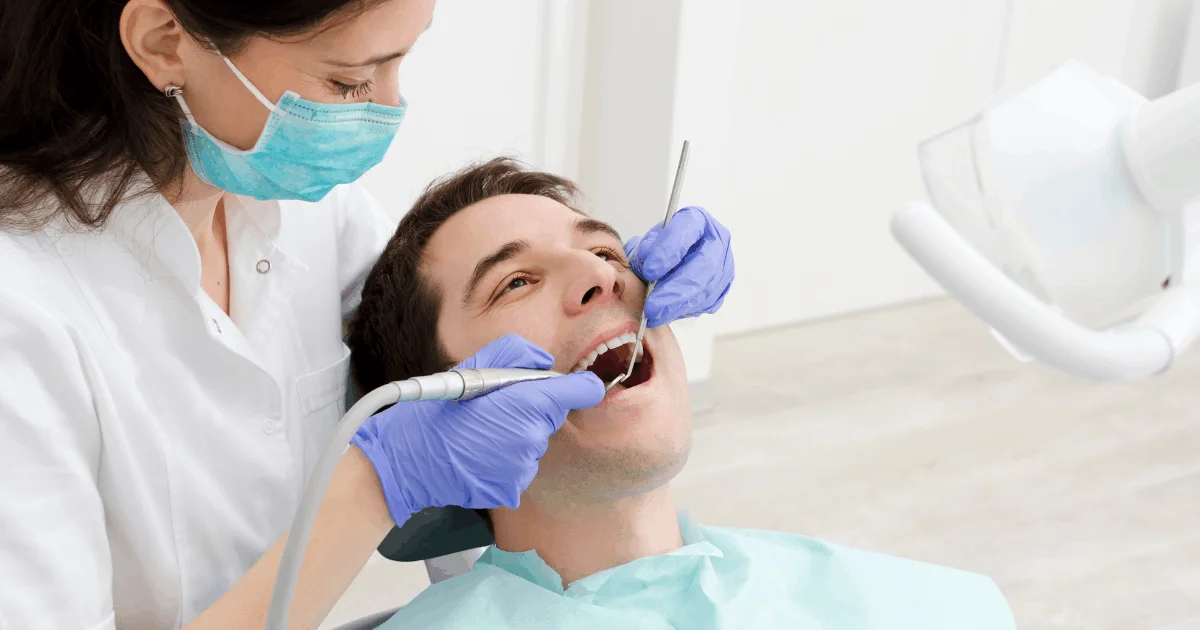
Once the cleaning is complete, the dentist performs a thorough oral examination.
During the exam, the dentist checks for signs of:
- Tooth decay
- Gum disease
- Loose fillings or crowns
- Tooth damage
- Bite alignment concerns
- Oral cancer
- Jaw issues
The dentist also examines the gums to measure pocket depths around the teeth. Deeper pockets may indicate gum disease or inflammation.
Oral Cancer Screening
Many routine dental exams include an oral cancer screening. This involves checking the tongue, cheeks, gums, lips, and throat for unusual sores, lumps, discoloration, or tissue changes.
Early detection is important because oral cancer is often more treatable when identified at an early stage.
5. Discussing Your Oral Health and Next Steps
After the exam, the dentist reviews any findings and discusses recommendations for future care.
This conversation may include:
- Areas that need better brushing or flossing
- Early signs of cavities
- Gum health concerns
- Cosmetic treatment options
- Preventive recommendations
- Suggested follow-up appointments
If treatment is needed, the dental team will explain the available options and answer your questions.
For patients with healthy teeth and gums, routine cleanings and exams may simply continue every six months.
How Long Does a Dental Exam and Cleaning Take?
A standard dental exam and cleaning appointment usually takes between 45 minutes and one hour.
Appointments may take longer if:
- X-rays are needed
- It has been several years since your last cleaning
- There is significant tartar buildup
- Additional evaluations are required
Patients with gum disease may require a deeper cleaning procedure known as scaling and root planing, which is different from a routine cleaning.
Tips Before Your Dental Appointment
Preparing for your visit can help make the appointment smoother and more comfortable.
Before your appointment:
- Brush and floss your teeth
- Bring a list of medications
- Arrive a few minutes early
- Write down any questions or symptoms
- Inform the office about dental anxiety if applicable
Patients who feel nervous about dental visits should let the dental team know in advance. Open communication can help create a more comfortable experience.
What Happens if You Skip Regular Cleanings?
Delaying dental cleanings and exams can allow minor issues to worsen over time.
Plaque and tartar buildup may eventually lead to:
- Cavities
- Gum disease
- Tooth loss
- Persistent bad breath
- Tooth infections
Research from the Centers for Disease Control and Prevention shows that untreated gum disease is common among adults and may also be linked to broader health concerns.
Routine preventive care is often simpler and more affordable than treating advanced dental problems later.

Schedule Your Next Dental Exam and Cleaning
At Encino Friendly Dental Center, patients in Encino, CA, and surrounding communities receive personalized dental care focused on prevention, comfort, and long-term oral health.
Whether you are due for a routine cleaning or looking for a new family dentist, regular dental visits can help keep your teeth and gums healthy while identifying potential concerns early.