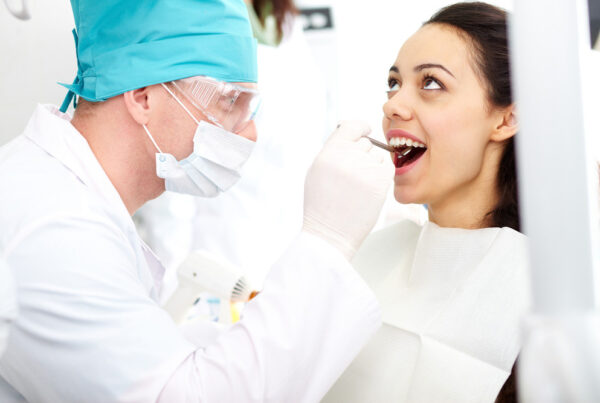
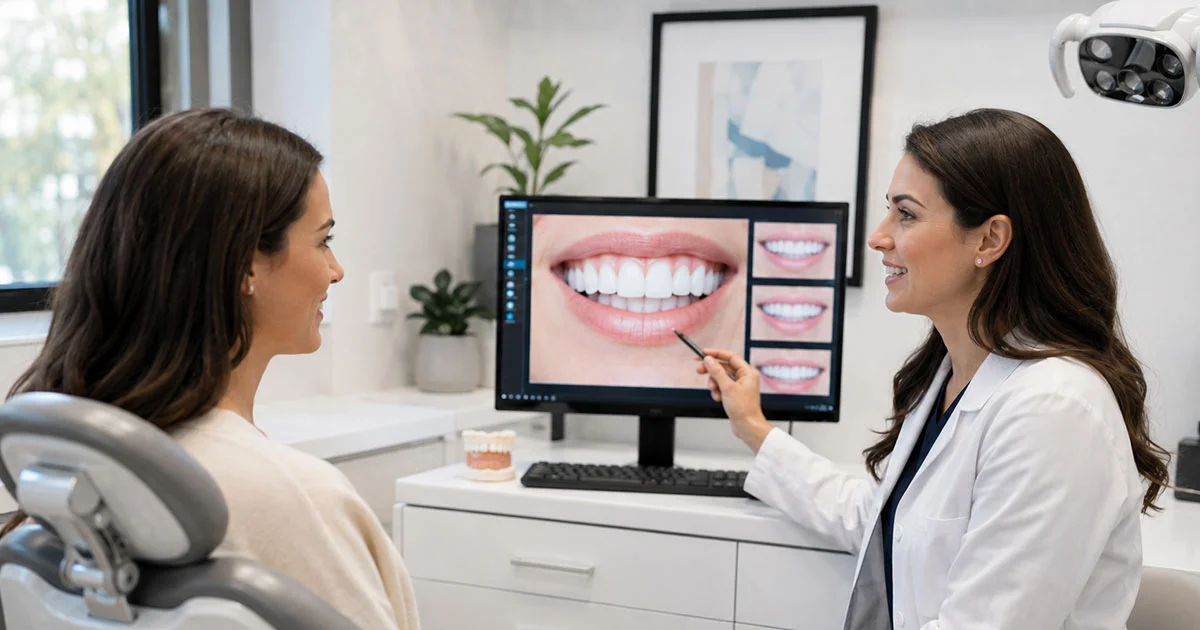
A smile makeover isn’t a single dental procedure. It is a personalized treatment plan that may combine one or more cosmetic dentistry services to address the color, shape, spacing, alignment, or overall appearance of your teeth.
At Encino Friendly Dental Center, patients in Encino, CA, and surrounding areas can discuss cosmetic concerns alongside their overall oral health. The goal is not simply to create a different-looking smile. A well-planned smile makeover should produce natural-looking changes that complement your teeth, gums, facial features, and personal preferences.
Understanding what cosmetic dentistry can and cannot change is a useful first step when considering treatment.
What Is a Smile Makeover?
A smile makeover is a customized approach to improving several aspects of a person’s smile. Some patients have one concern, such as tooth discoloration. Others may want to address several issues, including uneven teeth, small gaps, worn edges, or older restorations.
Depending on your needs, a cosmetic dentistry treatment plan may include:
- Professional teeth whitening
- Dental veneers
- Cosmetic bonding
- Tooth-colored restorations
- Crowns
- Treatment to improve tooth proportions or symmetry
- Other restorative or cosmetic procedures
Before recommending treatment, a dentist should also evaluate the health of your teeth and gums. Problems such as tooth decay or gum disease may need treatment before elective cosmetic procedures begin.
1. Tooth Color and Discoloration
Tooth color is one of the most noticeable elements of a smile. Teeth can gradually darken or stain from aging, coffee, tea, tobacco, certain foods, medications, or changes within the tooth itself.
Professional teeth whitening may help patients with suitable types of staining achieve a brighter smile. However, whitening does not change the color of existing crowns, veneers, or fillings. This is one reason a professional evaluation matters before starting treatment.
Research also suggests that tooth whitening can influence how people feel about their smiles. A systematic review and meta-analysis examining vital tooth bleaching found positive changes in certain appearance-related areas of oral health-related quality of life, including smiling and showing teeth without embarrassment. The researchers also noted that temporary tooth sensitivity can occur and should be appropriately managed.
2. Chipped, Worn, or Uneven Teeth
Minor chips and worn or uneven tooth edges can make a smile appear less balanced.
Depending on the extent of the damage, cosmetic bonding may add tooth-colored material and reshape a tooth. Veneers or crowns may be considered when more substantial changes or restoration are required.
The appropriate option depends on factors such as how much healthy tooth structure remains, where the tooth is located, how the teeth come together when you bite, and your long-term dental needs.
Importantly, cosmetic treatment should not simply cover damage without identifying why it happened. For example, repeated chipping or wear may be associated with grinding, bite forces, or other dental concerns that should also be evaluated.
3. Gaps Between Teeth
Small spaces between teeth are another common reason patients explore a smile makeover.
In some cases, cosmetic bonding can close or reduce a small gap by carefully reshaping the neighboring teeth. Veneers may provide another option when spacing occurs alongside concerns involving tooth shape, size, or color.
Larger or more complicated spaces may require a different approach. A dental examination allows the dentist to determine whether cosmetic treatment alone is appropriate or whether tooth movement should be considered.
4. Tooth Shape and Proportion
Teeth naturally vary in length, width, and shape. Sometimes one or more teeth may appear unusually small, short, pointed, or disproportionate compared with neighboring teeth.
Cosmetic dentistry can potentially change these proportions using bonding, veneers, or other carefully selected restorations.
Veneers, in particular, can alter several characteristics simultaneously, including tooth shape, size, and color. Long-term evidence is encouraging when veneers are selected and placed appropriately. A systematic review involving 25 studies and approximately 6,500 porcelain laminate veneers estimated a 95.5% cumulative survival rate at 10 years.
This does not mean veneers are appropriate for everyone. Preserving healthy natural tooth structure remains an important consideration when planning treatment.
5. Mildly Irregular or Asymmetrical Smiles
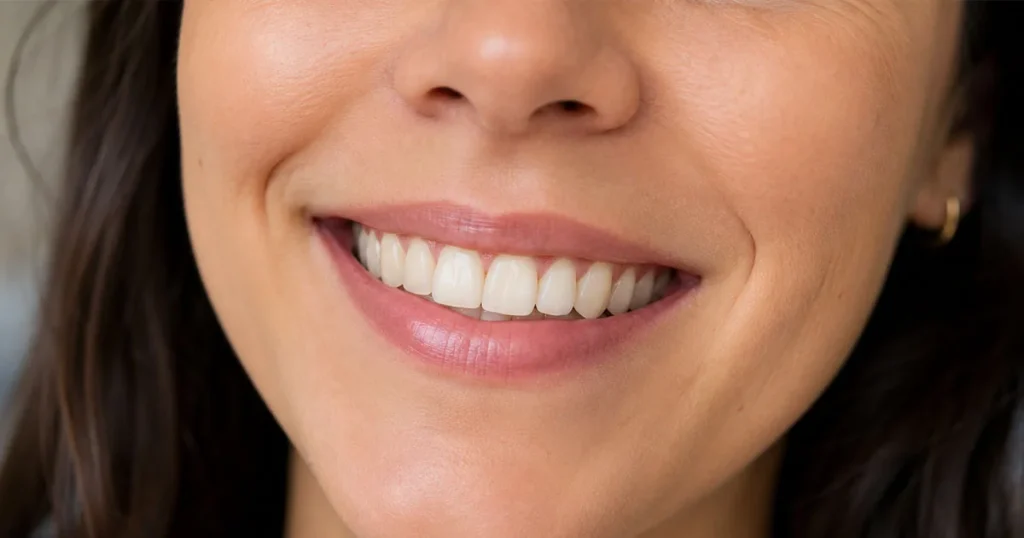
Symmetry does not mean every tooth needs to look identical. Natural smiles contain small variations. However, noticeable differences in tooth length, position, shape, or spacing can sometimes make the overall smile appear uneven.
A smile makeover can create greater visual balance without making the teeth look artificial.
For example, a dentist might use bonding to reshape one tooth rather than treating several healthy teeth. In other situations, multiple treatments may provide a more consistent result.
This conservative, individualized approach can help avoid unnecessary dental work.
Why Dental Appearance Can Matter
Cosmetic dentistry is elective in many circumstances, but concerns about dental appearance can have meaningful personal effects.
A systematic review of 33 studies and 9,409 patients found that orofacial appearance measurably affected oral health-related quality of life among people with several types of esthetic treatment needs.
Another study examining dental aesthetics among young adults found significant differences in psychosocial well-being based on perceived dental appearance, with dental self-confidence showing the biggest difference.
These findings do not mean everyone needs cosmetic dental treatment. Rather, they reinforce why treatment planning should consider the patient’s own concerns and goals instead of relying on a single idea of what a smile “should” look like.
What Happens During a Smile Makeover Consultation?
A consultation should begin with a conversation about what you would like to change.
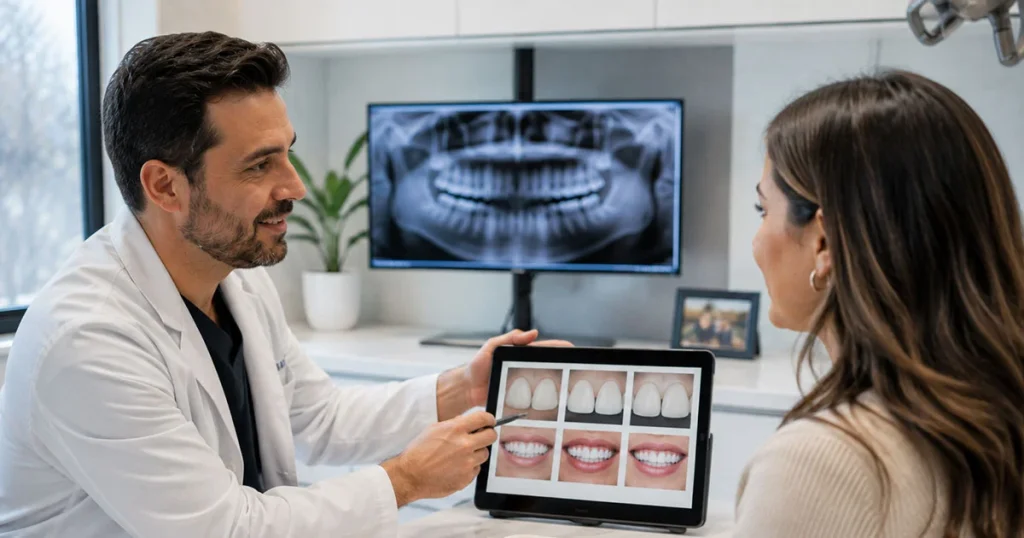
Your dentist may examine your teeth, gums, existing dental restorations, tooth alignment, bite, and overall oral health. When appropriate, they may also use photographs or dental imaging.
From there, you can discuss possible treatments, expected results, maintenance requirements, treatment timelines, and alternatives.
A good cosmetic dentistry plan should also prioritize oral health. For example, treating active decay before placing a veneer or crown helps establish a healthier foundation for the final restoration.
How Long Does a Smile Makeover Take?
There is no standard timeline because every treatment plan is different.
Professional whitening may require relatively little time, while bonding can sometimes be completed during a single appointment. Veneers, crowns, or a smile makeover involving several procedures generally require multiple visits.
The best sequence depends on your oral health and the combination of treatments you’re getting.
Rather than focusing exclusively on speed, patients should consider the durability, maintenance, and long-term effects of each treatment option.
Start Your Smile Makeover With Encino Friendly Dental Center
A smile makeover can address concerns ranging from staining and small chips to gaps, uneven tooth shapes, and worn dental restorations. The right approach depends on your individual teeth, oral health, preferences, and treatment goals.
Encino Friendly Dental Center provides family, general, and cosmetic dentistry for patients in Encino, CA, and surrounding communities. If you are considering cosmetic dentistry, a personalized consultation can help you understand which options are appropriate and what results you can reasonably expect.
Visit Encino Friendly Dental Center to learn more about your options and schedule a consultation.