

A small area of tooth sensitivity or an occasional ache can be easy to ignore. But sometimes, these seemingly minor symptoms are early signs of tooth decay that may require a dental filling. The challenge is that cavities often don’t cause noticeable symptoms at first.
At Encino Friendly Dental Center, patients in Encino, CA, and surrounding communities can have changes in their teeth evaluated before they become more complicated. Knowing the common signs of decay and understanding when fillings are recommended can help you seek dental care at the right time.
What Is a Dental Filling?
A dental filling is a common restorative treatment that repairs a tooth damaged by decay. When a cavity has progressed to the point that the dentist must remove some tooth structure, the dentist cleans the area and restores it with filling material.
The goal is to preserve the healthy portion of the tooth, restore its shape and function, and prevent the damaged area from becoming larger.
Fillings may also be appropriate in certain cases involving minor fractures, worn areas, or damaged existing restorations.
Tooth decay remains common among American adults. According to the Centers for Disease Control and Prevention’s 2024 Oral Health Surveillance Report, approximately 20.5% of adults ages 20–64 had untreated decay in at least one permanent tooth based on NHANES 2017–March 2020 data. This highlights why seemingly minor dental changes are worth evaluating rather than ignoring.
7 Signs You May Need a Dental Filling
Not every toothache means you have a cavity, and not every cavity immediately requires a filling. However, several symptoms can indicate you need a dental exam.
1. Sensitivity to Hot or Cold
Does one tooth suddenly react when you drink cold water, eat ice cream, or have hot coffee?
Temporary sensitivity can occur for several reasons, including gum recession or enamel wear. However, new or persistent sensitivity in a specific tooth may indicate decay.
If sensitivity becomes more frequent or lasts after the hot or cold item is gone, schedule an evaluation.
2. Pain When Biting or Chewing
A tooth that hurts when you bite down should not be ignored. Decay can weaken tooth structure, while cracks, damaged fillings, and other dental conditions may cause similar discomfort.
Because several problems can produce this symptom, a dental examination is the best way to determine the cause.
3. A Visible Hole or Dark Spot
Sometimes, a cavity becomes visible as a small hole, pit, brown area, or dark spot on a tooth.
However, appearance alone cannot confirm decay. Natural staining and other harmless discoloration can resemble cavities, which is why a professional evaluation matters.
4. Food Keeps Getting Stuck in the Same Area
If food suddenly begins collecting between two teeth or inside a particular spot, a change in the tooth’s surface may be responsible.
Decay can create an irregular area where food becomes trapped. A damaged or worn filling can cause a similar problem.
Repeated food trapping may also make cleaning harder, allowing plaque to stay in the area longer.
5. Persistent Toothache
A recurring or persistent toothache is one of the clearest reasons to contact a dentist.
The CDC notes that untreated cavities can eventually cause pain and infection. In more advanced cases, decay can contribute to an abscess. Seeking care before decay reaches this stage may allow for simpler treatment.
A toothache can also have causes unrelated to cavities, so diagnosis should come before treatment.
6. Your Floss Tears or Shreds Around One Tooth
Pay attention to what happens when you floss.
If floss repeatedly catches, tears, or shreds around the same tooth, you may have a rough surface, a damaged restoration, tartar buildup, or another structural issue that deserves attention.
It doesn’t automatically mean you need a filling, but it is worth mentioning at your dental visit.
7. An Existing Filling Feels Different
Fillings are durable, but they do not necessarily last forever. Daily chewing, grinding, and normal wear can eventually affect a restoration.
You might notice a rough edge, a small piece missing, sensitivity around the filled tooth, or a change in how your bite feels.
A dentist can determine whether to monitor, repair, or replace the restoration.

Can You Have a Cavity Without Symptoms?
Yes. This is one of the most important things to understand about tooth decay.
Early cavities may not hurt. By the time you notice pain, the decay may have progressed further into the tooth. This is one reason routine dental examinations remain valuable even when your teeth feel normal.
Depending on the location and extent of the suspected decay, a dentist may use a visual examination and dental X-rays to identify changes that are difficult to see or feel at home.
Importantly, detecting early decay does not automatically mean drilling and filling the tooth. The American Dental Association’s evidence-based guidelines include nonrestorative approaches for certain carious lesions. Whether monitoring, preventive treatment, or restoration is appropriate depends on factors such as whether the lesion is cavitated and how far it has progressed.
What Happens If You Actually Need a Filling?
If an examination confirms that a tooth needs restorative treatment, your dentist will discuss the appropriate filling option based on the tooth’s condition and location.
During treatment, the dentist typically numbs the affected area. The dentist removes the necessary damaged tooth structure, cleans and prepares the area, places the restorative material, and shapes it so your bite feels natural.
Modern dentistry also emphasizes conserving healthy tooth structure whenever appropriate.
For example, the ADA’s 2023 clinical practice guideline on restorative treatment for caries was developed after an expert review of approximately 300 published studies. The guideline found that conservative approaches to removing decayed tissue can reduce certain adverse outcomes, such as exposing the tooth’s nerve, while still allowing effective restoration.
What Happens If You Wait Too Long?
Tooth decay does not repair a physical hole in a tooth on its own. Once decay has progressed sufficiently, delaying necessary treatment may allow more tooth structure to become involved.
A cavity that could have been treated with a relatively simple restoration may eventually require more extensive treatment if decay reaches deeper structures.
Seek dental attention promptly if you develop significant swelling, severe or worsening pain, fever associated with dental symptoms, or other signs of infection.
How to Reduce Your Risk of Future Fillings
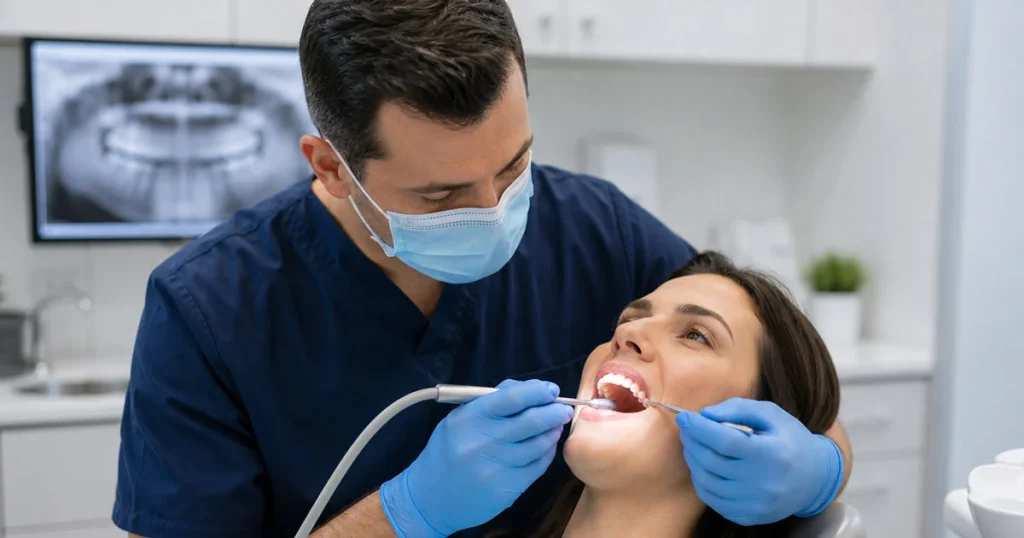
While you can’t avoid every cavity, daily habits can reduce your risk. Brush twice daily with fluoride toothpaste, clean between your teeth regularly, limit frequent sugary foods and beverages, and attend routine dental visits based on your dentist’s recommendations.
Regular examinations also give your dentist an opportunity to identify early changes before you notice pain.
Schedule a Dental Evaluation in Encino
If you have tooth sensitivity, pain while chewing, a visible spot, food trapping, or concerns about an existing filling, it is better to have the tooth evaluated than to wait for symptoms to become more noticeable.
Encino Friendly Dental Center provides family, general, and cosmetic dental care for patients in Encino, CA, and surrounding areas. A professional exam can determine whether you need a dental filling or another approach.
Visit Encino Friendly Dental Center to schedule an appointment and get clear guidance on your next step for a healthier smile.