Many people have heard the recommendation to visit the dentist every six months, but that schedule isn’t the right fit for everyone. While routine dental visits are an important part of maintaining healthy teeth and gums, the ideal frequency depends on your age, oral health, medical history, and personal risk factors.
At Encino Friendly Dental Center, the team believes preventive dental care should be personalized to each patient, helping individuals and families receive the right level of care at the right time. For families in Encino, staying proactive with regular dental visits can help reduce the likelihood of cavities, gum disease, and costly treatments later.
Whether you’re scheduling your child’s first dental appointment or wondering if it’s time for your next cleaning, understanding the factors that influence the frequency of dental visits can help you make informed decisions.
Is Every Six Months the Right Schedule?
For many healthy adults and children, visiting the dentist every six months remains a practical guideline. Regular checkups allow dental professionals to:
- Detect cavities before they become larger problems
- Monitor gum health
- Remove plaque and tartar that brushing cannot eliminate
- Screen for oral cancer and other abnormalities
- Review changes in oral health over time
However, dental organizations increasingly recognize that recall intervals should be personalized rather than automatically set at six months.
A review published in the Cochrane Database of Systematic Reviews found that there is limited high-certainty evidence supporting a universal six-month recall interval. Instead, dental professionals should tailor the frequency of visits based on each patient’s risk of developing dental disease.
This personalized approach helps ensure patients receive care when they need it without unnecessary appointments.
Factors That Determine How Often You Should Visit
Several factors influence how frequently you should schedule dental appointments.
Your Oral Health History
Patients who consistently have healthy teeth and gums may require fewer preventive visits than someone with frequent cavities or recurring gum disease.
Your dentist will evaluate:
- Previous dental restorations
- History of tooth decay
- Gum health
- Oral hygiene habits
- Diet
- Tobacco use
These factors help determine an appropriate recall schedule.
Your Age
Children often benefit from regular preventive care because their teeth and jaws are still developing.
Routine visits help monitor:
- Tooth eruption
- Bite development
- Orthodontic concerns
- Cavity risk
- Oral hygiene habits
Adults may require different schedules depending on their overall oral health and restorative needs.
Medical Conditions
Certain health conditions increase the risk of oral disease, including:
- Diabetes
- Dry mouth caused by medications
- Autoimmune disorders
- Weakened immune systems
These patients often benefit from more frequent professional monitoring.
Research published in the Journal of Clinical Periodontology has shown a strong relationship between diabetes and periodontal disease, with each condition influencing the other. Maintaining regular dental visits can support both oral and overall health.
When Children Should Visit the Dentist
Children should begin dental care much earlier than many parents realize.
The American Academy of Pediatric Dentistry recommends establishing a dental home by age one or within six months after the first tooth erupts.
Early visits help:
- Prevent early childhood cavities
- Identify developmental concerns
- Educate parents on brushing and nutrition
- Build positive experiences with dental care
As children grow, routine exams and cleanings remain important because baby teeth play an essential role in speech, nutrition, and guiding permanent teeth into position.
Adults with Healthy Smiles
Adults who maintain excellent oral hygiene and have a low risk of cavities often continue with preventive visits every six months unless their dentist recommends otherwise.
These appointments typically include:
- Professional dental cleaning
- Comprehensive examination
- Digital X-rays when appropriate
- Gum evaluation
- Oral cancer screening
Even if your teeth feel fine, many dental problems develop without noticeable symptoms in their early stages.
When More Frequent Visits May Be Recommended
Some patients benefit from dental visits every three to four months.
Your dentist may recommend more frequent appointments if you have:
- Active gum disease
- Multiple cavities
- Heavy tartar buildup
- Dental implants require maintenance
- Orthodontic treatment
- Smoking or tobacco use
- Pregnancy-related gum inflammation
More frequent professional cleanings help control bacterial buildup before it causes more serious complications.
According to the Centers for Disease Control and Prevention (CDC), nearly half of adults aged 30 years and older have some form of periodontal disease, highlighting the importance of ongoing preventive care for those at increased risk.
Why Skipping Dental Visits Can Become Expensive
Many dental problems begin painlessly.
Small cavities can often be treated with simple fillings. Without treatment, they may eventually require:
- Root canal therapy
- Dental crowns
- Tooth extractions
- Tooth replacement
Likewise, early gingivitis can often be reversed with professional cleaning and improved home care. Left untreated, it may progress into periodontal disease, which can cause bone loss and tooth loss.
Preventive care is usually more comfortable, less invasive, and more affordable than treating advanced dental disease.
What Happens During a Routine Dental Visit?
Routine appointments involve much more than cleaning your teeth.
Your visit may include:
Professional Cleaning
Dental hygienists remove hardened tartar that cannot be removed with regular brushing or flossing.
They also polish teeth to remove surface stains and provide personalized hygiene recommendations.
Comprehensive Examination
Your dentist examines:
- Teeth
- Fillings
- Crowns
- Gums
- Tongue
- Soft tissues
- Jaw function
This comprehensive evaluation helps detect concerns before symptoms develop.
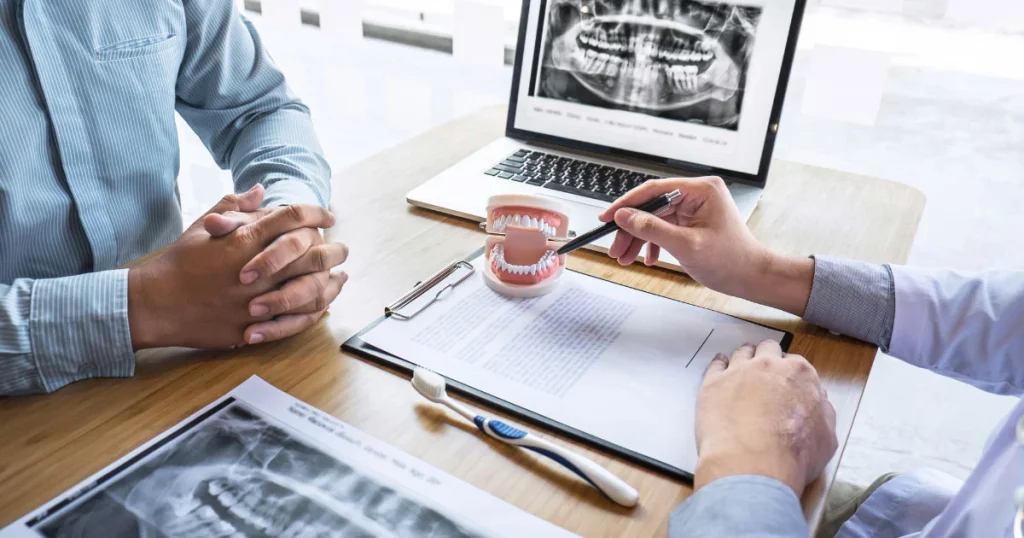
Diagnostic Imaging
Digital X-rays may be recommended periodically to identify issues that are not visible during a visual examination, such as:
- Cavities between teeth
- Bone loss
- Impacted teeth
- Hidden infections
Your dentist will determine how frequently imaging is appropriate based on your individual needs.
Daily Habits Still Matter Between Visits
Professional care works best when combined with good home care.
Healthy habits include:
- Brushing twice daily with fluoride toothpaste
- Flossing every day
- Limiting sugary foods and beverages
- Drinking plenty of water
- Wearing a mouthguard during sports
- Avoiding tobacco products
Research published in the journal Caries Research continues to support the use of fluoride toothpaste as one of the most effective methods for reducing dental decay in both children and adults when used consistently.
Regular home care significantly reduces plaque buildup between professional cleanings.
Signs You Should Schedule an Appointment Sooner
Don’t wait for your next routine visit if you experience:
- Tooth pain
- Bleeding gums
- Swollen gums
- Persistent bad breath
- Loose teeth
- Chipped or broken teeth
- Jaw pain
- Sensitivity that doesn’t improve
Prompt evaluation often allows for simpler treatment and better outcomes.
Dental Care Is Different for Every Family Member
No two patients have identical oral health needs.
Young children, teenagers with braces, adults with healthy smiles, and seniors managing multiple restorations may all require different schedules.
A personalized treatment plan allows your dentist to recommend recall visits based on your unique risk factors rather than a one-size-fits-all approach.
Regular preventive care helps protect your smile while supporting long-term oral health for every member of your family.

Schedule Your Next Visit at Encino Friendly Dental Center
Whether you’re due for a routine cleaning, looking for a trusted family dentist, or need personalized recommendations for your oral health, Encino Friendly Dental Center is here to help families throughout Encino, CA, and the surrounding communities.
The team provides comprehensive family, cosmetic, and general dentistry with a focus on preventive care tailored to each patient’s needs. If it’s been a while since your last dental visit or you’re unsure how often you should be seen schedule an appointment today.
Learn more or request your visit at https://encinofriendlydentalcenter.com/ and take the next step toward maintaining a healthy smile for years to come.