Gum disease is one of the most common oral health conditions, yet many people don’t realize they have it until it has already caused significant damage. In its early stages, gum disease often develops without severe pain, making it easy to overlook subtle warning signs.
At Encino Friendly Dental Center, we believe that educating patients is one of the best ways to prevent serious dental problems. Whether you’re experiencing mild gum irritation or simply want to maintain a healthy smile, recognizing the early signs of gum disease can help you seek treatment before lasting damage occurs.
Ignoring these symptoms can lead to tooth loss, gum recession, and even affect your overall health. Fortunately, early diagnosis and treatment can often prevent the disease from causing permanent damage.
If you live in Encino, CA, or nearby communities, understanding the signs of gum disease can help you protect your oral health and know when it’s time to schedule a professional dental evaluation.
What Is Gum Disease?
Gum disease, also known as periodontal disease, is a bacterial infection that affects the tissues supporting your teeth. It typically begins as gingivitis, the mildest stage, which causes gum inflammation. Without treatment, gingivitis can progress to periodontitis, in which the infection damages the bone and connective tissues that hold teeth in place.
The primary cause is plaque, a sticky film of bacteria that forms on teeth every day. When plaque isn’t removed through proper brushing, flossing, and professional cleanings, it hardens into tartar, allowing bacteria to spread beneath the gumline.
1. Bleeding Gums
One of the earliest signs of gum disease is bleeding during brushing or flossing. While many people assume this is normal, healthy gums should not bleed during daily oral hygiene.
Bleeding occurs because plaque bacteria irritate the gum tissue, leading to inflammation.
Research published by the American Academy of Periodontology notes that bleeding gums are often one of the first visible symptoms of gingivitis and should be evaluated promptly before the condition progresses.
2. Red, Swollen, or Tender Gums
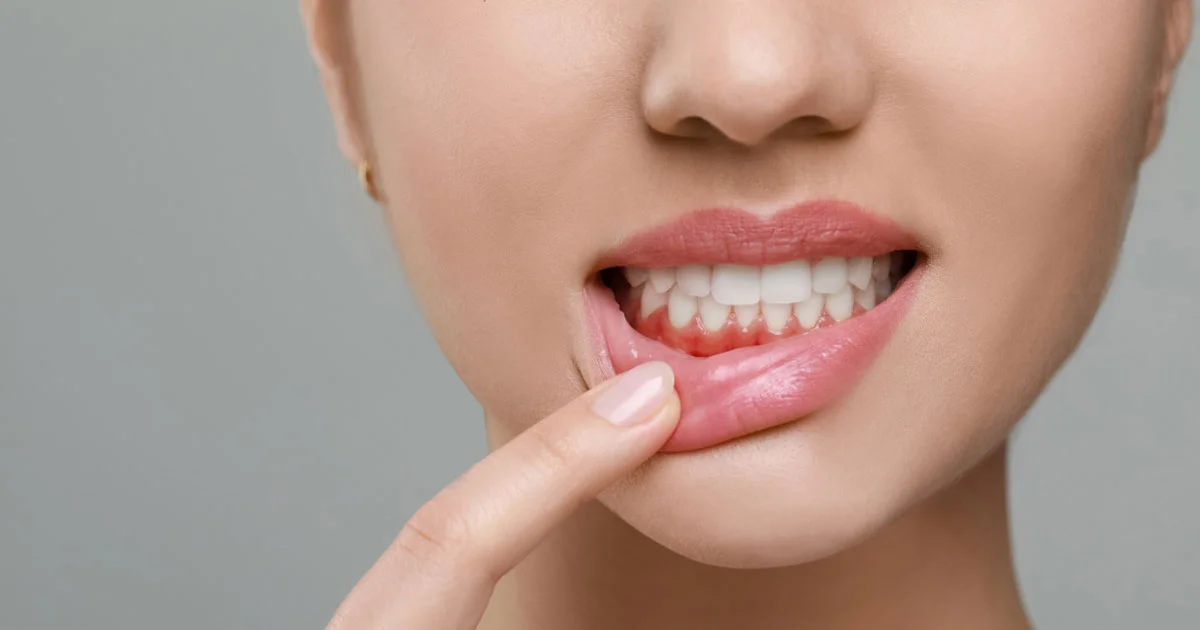
Healthy gums are generally firm and pink. If your gums appear red, swollen, or tender to the touch, inflammation may already be developing.
These symptoms often indicate that your immune system is responding to bacterial buildup around the teeth. Early professional treatment can often reverse this stage before permanent damage occurs.
3. Persistent Bad Breath
Occasional bad breath can result from certain foods, but chronic bad breath that doesn’t improve with brushing may be a sign of gum disease.
Bacteria trapped beneath the gums release unpleasant-smelling compounds that brushing alone cannot eliminate. If persistent bad breath continues despite good oral hygiene, a dental examination is recommended.
According to the American Dental Association (ADA), ongoing bad breath is frequently associated with periodontal disease and other oral infections.
4. Receding Gums
Have your teeth started looking longer than they used to?
This may indicate gum recession, where gum tissue gradually pulls away from the teeth. Receding gums expose sensitive tooth roots and create spaces where bacteria can accumulate more easily.
Common causes include:
- Gum disease
- Aggressive brushing
- Tobacco use
- Teeth grinding
- Genetics
Because gum tissue does not naturally grow back, early treatment is important to prevent further recession.
5. Loose Teeth or Changes in Your Bite
As gum disease advances, it can damage the bone supporting your teeth.
You may notice:
- Teeth shifting position
- Loose teeth
- Changes in how your teeth fit together
- Difficulty chewing comfortably
The Centers for Disease Control and Prevention (CDC) reports that severe periodontitis is a leading cause of tooth loss among adults, underscoring the importance of early intervention.
6. Pain When Chewing
Although early gum disease isn’t always painful, discomfort while chewing may indicate that the infection has spread deeper into the supporting tissues.
Pain during eating may also occur when gum pockets trap bacteria and food debris around the roots of the teeth.
This symptom should never be ignored, as it often signals a need for professional evaluation.
7. Pus Between the Teeth and Gums
Pus is a clear sign of bacterial infection.
If you notice white or yellow discharge around your gums, it could indicate a periodontal abscess that requires immediate dental care. Left untreated, the infection can spread and may eventually threaten the affected tooth.

Risk Factors That Increase Your Chances of Gum Disease
While plaque is the primary cause, several factors can increase your risk:
- Smoking or tobacco use
- Diabetes
- Poor oral hygiene
- Dry mouth
- Hormonal changes
- Family history of periodontal disease
- Certain medications that reduce saliva production
- Poor nutrition
Knowing your risk factors allows you and your dentist to take preventive steps before problems develop.
How Dentists Diagnose Gum Disease
Routine dental visits allow gum disease to be detected long before symptoms become severe.
Your dentist may perform:
- A comprehensive oral examination
- Gum pocket measurements
- Digital X-rays
- Evaluation of gum recession
- Assessment of tooth mobility
- Plaque and tartar evaluation
The National Institute of Dental and Craniofacial Research (NIDCR) emphasizes that regular dental examinations remain one of the most effective ways to identify periodontal disease in its earliest stages, when treatment is typically less invasive.
Treatment Options
Treatment depends on how advanced the disease has become.
Professional Dental Cleaning
For gingivitis, removing plaque and tartar during a professional cleaning often allows the gums to heal.
Scaling and Root Planing
This deep cleaning procedure removes bacteria below the gumline and smooths tooth roots to help gum tissue reattach.
Improved Home Care
Your dentist may recommend:
- Brushing twice daily
- Daily flossing
- Antibacterial mouthwash
- More frequent dental cleanings
Advanced Periodontal Treatment
Severe cases may require additional periodontal procedures to restore gum health and preserve natural teeth.
How to Prevent Gum Disease
Many cases of gum disease are preventable with consistent care.
Healthy habits include:
- Brush twice daily using fluoride toothpaste.
- Floss every day.
- Visit your dentist regularly for cleanings and exams.
- Avoid tobacco products.
- Eat a balanced diet rich in vitamins and minerals.
- Stay hydrated to support healthy saliva production.
- Manage health conditions like diabetes with your physician’s guidance.
Small daily habits can significantly reduce your risk of developing periodontal disease.

Don’t Wait Until Symptoms Become Severe
One of the biggest challenges with gum disease is that it often progresses quietly. Many patients experience only mild symptoms until permanent damage has already occurred.
Seeking care when you first notice bleeding gums, persistent bad breath, or gum sensitivity can help protect your teeth, preserve your gums, and reduce the need for more extensive treatment later.
Protect Your Gum Health With Encino Friendly Dental Center
Healthy gums are the foundation of a healthy smile. If you’ve noticed bleeding gums, persistent bad breath, gum recession, or other warning signs, don’t wait for the problem to worsen. The experienced team at Encino Friendly Dental Center provides comprehensive family, cosmetic, and general dental care for patients throughout Encino, CA, and the surrounding communities.
Whether you need a routine cleaning, a periodontal evaluation, or personalized treatment, early care can make a significant difference. Schedule your appointment today by visiting https://encinofriendlydentalcenter.com/ and take the next step toward protecting your oral health for years to come.
To learn more or schedule a consultation, visit https://encinofriendlydentalcenter.com/