A damaged or weakened tooth does not always need to be removed. In many cases, a dental crown can restore strength, improve appearance, and help you keep your natural tooth for many more years. Dental crowns are among the most common restorative treatments in modern dentistry because they protect teeth that can no longer function properly on their own.
At Encino Friendly Dental Center, patients in Encino, CA, and the surrounding areas often ask whether a crown is necessary, how the process works, and what to expect afterward. Understanding the purpose of a crown can help you make informed decisions about your oral health before small problems become larger ones.
What Is a Dental Crown?
A dental crown is a custom-made cap that covers a damaged or weakened tooth. It is designed to restore the tooth’s shape, size, strength, and appearance while protecting the underlying natural structure.
Crowns are commonly made from materials such as:
- Porcelain
- Ceramic
- Porcelain-fused-to-metal
- Zirconia
- Gold or metal alloys
For many patients, tooth-colored materials such as porcelain or zirconia are preferred because they blend naturally with the surrounding teeth.
A crown fully covers the visible part of the tooth above the gumline. Once cemented into place, it functions much like a natural tooth.
When Do You Need a Dental Crown?
Dentists recommend crowns for several reasons. The treatment is not only cosmetic. In many situations, a crown helps prevent further damage or tooth loss.
A Tooth Is Cracked or Weak
Teeth can weaken over time due to grinding, decay, trauma, or large fillings. A weakened tooth may crack under normal chewing pressure. A crown acts as a protective shell that distributes biting force more evenly.
Without protection, a cracked tooth can worsen and eventually require extraction.
After a Root Canal
A root canal removes infected tissue from inside the tooth. Although this treatment saves the tooth, it can also leave it more brittle afterward.
According to the American Association of Endodontists, crowns are often recommended after root canal treatment to strengthen and protect the tooth from fracture.
Severe Tooth Decay
When decay damages a large portion of a tooth, a filling may not provide enough support. Crowns restore structure while protecting the remaining healthy tooth material.
Large or Worn Fillings
Older fillings can weaken surrounding tooth structure over time. If a tooth has a large filling and very little natural enamel left, a crown may offer better long-term stability.
Cosmetic Improvement
Crowns can also improve the appearance of teeth that are:
- Severely discolored
- Misshapen
- Uneven
- Worn down
For patients seeking cosmetic improvements in Encino, crowns may help create a more balanced smile while still restoring function.
Dental Implants
Crowns are also used to complete dental implants. The implant acts as the artificial root, while the crown serves as the visible replacement tooth.
Signs You May Need a Crown
Some symptoms may indicate that a tooth requires additional protection. Common warning signs include:
- Pain when biting down
- Cracked or chipped teeth
- Tooth sensitivity
- Large visible fillings
- Repeated cavities in the same tooth
- Worn or flattened teeth from grinding
Not every damaged tooth needs a crown, but delaying treatment can increase the risk of more serious complications later.
What Happens During the Dental Crown Procedure?
Many patients are surprised to learn that the process is typically straightforward and comfortable.
1. Examination and X-Rays
Your dentist first examines the tooth and may take X-rays to evaluate the roots and surrounding bone.
If infection or severe decay is present, additional treatment may be necessary before placing a crown.
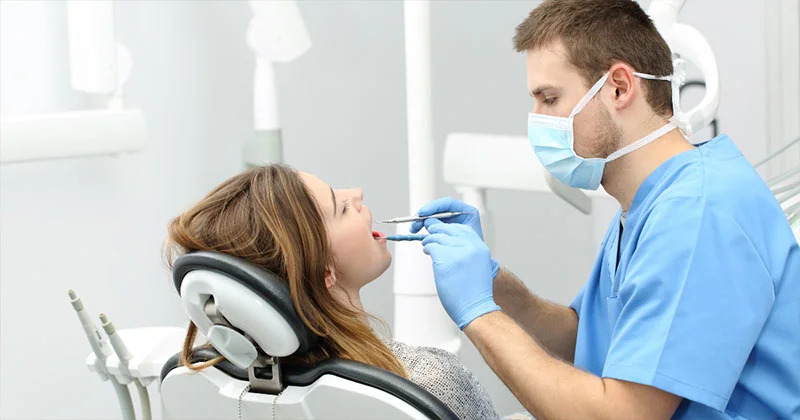
2. Tooth Preparation
To make room for the crown, the tooth is carefully reshaped. A small amount of enamel is removed from the outer surface.
If part of the tooth is missing due to decay or fracture, filling material may be used to rebuild the structure first.
3. Impressions
Next, impressions or digital scans are taken to create a custom crown that matches your bite and neighboring teeth.
A temporary crown is usually placed while the permanent crown is being made.
4. Crown Placement
Once the permanent crown is ready, your dentist checks the fit, color, and bite alignment before cementing it into place.
The final result should feel comfortable and natural when speaking or chewing.
How Long Do Dental Crowns Last?
Dental crowns can last many years with proper care. Research published in the National Library of Medicine has shown that many crowns remain functional for 10 to 15 years or longer, depending on oral hygiene, material type, and daily habits.
Several factors affect crown longevity, including:
- Teeth grinding
- Oral hygiene habits
- Diet
- Regular dental visits
- Smoking or tobacco use
Crowns are durable, but they are not indestructible. Hard objects like ice, pens, or hard candy can still cause damage.
Are Dental Crowns Painful?
Most patients experience little discomfort during the procedure because local anesthesia is used to numb the area.
Some mild sensitivity afterward is normal, especially around the gums. This usually improves within a few days.
If discomfort continues or your bite feels uneven, your dentist can make small adjustments.
Caring for a Dental Crown
Although crowns cannot develop cavities themselves, the tooth underneath still requires proper care.
To protect your crown and surrounding teeth:
- Brush twice daily
- Floss carefully around the crown
- Avoid chewing hard objects
- Wear a night guard if you grind your teeth
- Schedule routine dental cleanings
The American Dental Association recommends regular dental visits to monitor restorations and identify problems early.
Can a Crown Be Replaced?
Yes. Crowns may eventually need replacement due to wear, damage, gum recession, or decay around the edges.
If a crown becomes loose, cracked, or uncomfortable, it is important to have it evaluated promptly. Ignoring the problem can allow bacteria to enter beneath the crown and affect the tooth underneath.
Are Same-Day Crowns Available?
Some dental offices offer same-day crowns using digital scanning and in-office milling technology. Others use a dental lab, which may require two visits.
Your dentist will recommend the best option based on the condition of your tooth and the type of restoration needed.

Protect Your Smile with Expert Dental Care
Dental crowns play an important role in restoring damaged teeth and helping patients maintain long-term oral health. Whether you have a cracked tooth, severe decay, or need protection after a root canal, early treatment can often prevent the need for more extensive dental work later.
At Encino Friendly Dental Center, patients throughout Encino, CA, and surrounding communities receive personalized family, cosmetic, and restorative dental care in a comfortable setting. If you are experiencing tooth pain, damage, or sensitivity, scheduling an evaluation can help determine whether a dental crown is the right solution for your smile. Book your next visit.