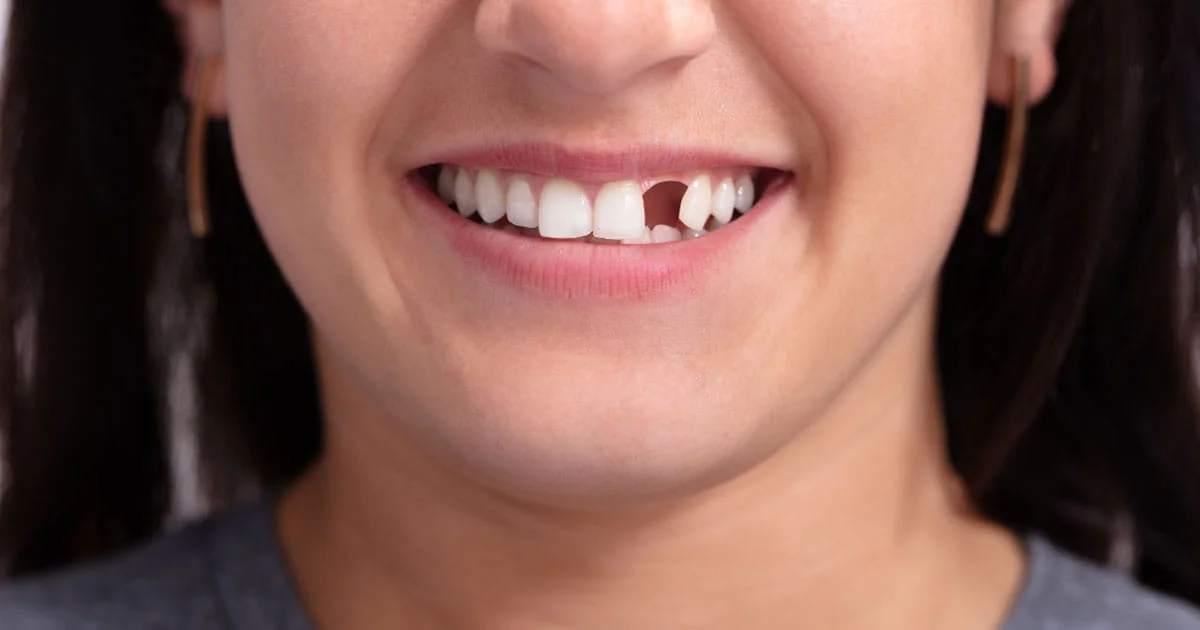
Losing a tooth can affect more than your appearance. Whether it happens because of an injury, advanced decay, or gum disease, a missing tooth may gradually change how you chew, speak, and maintain your oral health. Even if the gap is not visible when you smile, leaving it untreated can create problems over time.
At Encino Friendly Dental Center, we help patients in Encino, CA, and surrounding communities understand their tooth replacement options. Replacing a missing tooth sooner can help restore everyday function, address potential changes in surrounding teeth, and support long-term oral health. However, the right timing and treatment depend on your individual dental condition.
What Happens When You Leave a Missing Tooth Untreated?
A missing tooth creates an empty space that can affect nearby teeth, supporting bone, and chewing function. Some patients notice changes quickly, while others experience gradual effects over several years.
Understanding these potential consequences can help you make informed decisions about treatment.
1. Surrounding Teeth May Shift
Your teeth work together to maintain a functional bite. When one tooth is missing, nearby teeth may gradually tilt or shift toward the available space.
This movement can alter tooth alignment, create harder-to-clean areas, or affect how your upper and lower teeth meet.
A study published in the Journal of the American Dental Association followed 111 patients with an untreated space left by a missing back tooth. Although most changes were relatively small, the research documented movement and changes in surrounding structures over time.
Importantly, not every missing tooth causes significant shifting. Your dentist can assess whether changes are likely to affect your bite or oral health.
2. Jawbone Shrinkage Can Occur
Your jawbone supports the roots of your natural teeth. After a tooth is extracted, the bone surrounding its socket begins to remodel as the area heals.
Over time, the ridge where the tooth once stood may become narrower or shorter.
A 2021 Cochrane systematic review examined procedures intended to preserve jawbone after extraction. Researchers confirmed that bone changes following tooth removal can complicate future dental implant treatment.
Early evaluation allows your dentist to assess whether bone preservation or grafting procedures might be appropriate. Although implants can help restore chewing function, they do not completely prevent natural post-extraction bone remodeling.
3. Chewing May Become More Difficult
Every tooth contributes to biting and chewing. Losing a molar, particularly one used for grinding food, can make certain foods more difficult to eat.
You might begin chewing primarily on the opposite side of your mouth or avoiding harder foods.
Replacing the missing tooth can help restore chewing ability and allow you to distribute biting forces more comfortably.
4. Speech and Confidence May Be Affected
Missing front teeth can sometimes influence pronunciation because your tongue and lips rely on tooth positioning to form certain sounds.
Visible gaps may also affect confidence when speaking, smiling, or interacting socially.
Tooth replacement can address both functional and cosmetic concerns, although individual results depend on the location and number of missing teeth.
Why Replacing a Missing Tooth Sooner Matters
Replacing a tooth does not always mean undergoing treatment immediately after extraction.
Healing, gum health, bone condition, and the presence of infection can influence when treatment should begin.
However, scheduling a dental assessment early provides several advantages. Your dentist can monitor the extraction site, identify potential complications, and discuss replacement options before significant changes occur.
Early planning can also help determine whether additional procedures, such as bone grafting, might be necessary.
What Are Your Options for Replacing Missing Teeth?
Several dental treatments can restore missing teeth. The most appropriate option depends on your oral health, preferences, and treatment goals.
Dental Implants
Dental implants use a surgically placed post to support a replacement tooth. They can replace a single tooth or support restorations for multiple missing teeth.
An advantage of implants is that replacing one tooth generally does not require reshaping neighboring healthy teeth.
A 2019 systematic review published in the Journal of Dentistry examined long-term dental implant outcomes. The researchers reported a 96.4% estimated 10-year implant survival rate in the primary analysis, although the estimate decreased to 93.2% after accounting for missing follow-up data.
Implant treatment requires careful planning, appropriate bone support, and ongoing maintenance.
Learn more about dental implants in Encino.
Dental Bridges
A dental bridge replaces one or more missing teeth using an artificial tooth supported by neighboring teeth or implants.
Traditional bridges may be suitable for patients who prefer a fixed restoration without implant surgery.
However, some bridge designs require reshaping adjacent teeth, making the condition of those teeth an important consideration.
Partial or Complete Dentures
Removable dentures offer another option for replacing several missing teeth.
Partial dentures fill gaps while using existing teeth for support. Complete dentures replace an entire upper or lower arch.
Implant-supported dentures may provide additional stability for appropriate candidates.
Your dentist can explain the benefits, limitations, and maintenance requirements of each option.
How Do You Know Which Tooth Replacement Is Right for You?
A dental consultation typically includes examining your gums, remaining teeth, and bite.
Your dentist may recommend digital X-rays or three-dimensional imaging to evaluate available bone and identify concerns that could influence treatment.
Factors affecting your treatment plan include:
- Number and location of missing teeth
- Condition of neighboring teeth
- Jawbone density and gum health
- Medical history
- Personal preferences and budget
The goal is to choose a restoration that supports comfortable function and long-term oral health.
Can You Replace a Tooth Years After Losing It?
Yes. Many patients successfully replace teeth that have been missing for several years.
However, prolonged tooth loss may affect bone availability or tooth positioning. Depending on the circumstances, additional treatment could be needed before placing a restoration.
Even if you have lived with a missing tooth for a long time, a dental evaluation can help identify suitable options.
Replace Your Missing Tooth With Encino Friendly Dental Center
A missing tooth may seem manageable today, but understanding its potential long-term effects can help you protect your smile.
At Encino Friendly Dental Center, we provide personalized dental care, including dental implant consultations and restorative treatment options for patients in Encino, CA, and nearby communities.
Visit Encino Friendly Dental Center to learn about our services or schedule a consultation.
Contact our dental team today to explore your tooth replacement options and take the next step toward restoring your oral health.