
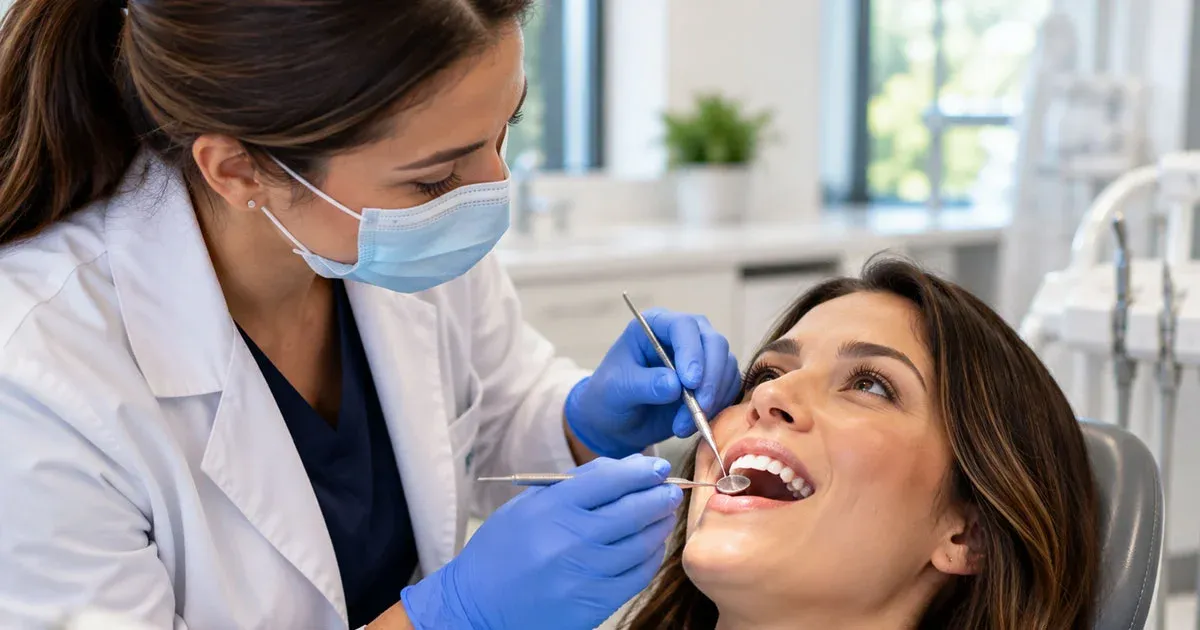
Bad breath after a garlicky meal or morning coffee is usually temporary. But when bad breath sticks around despite brushing, flossing, or using mouthwash, an underlying dental issue may need attention.
Persistent bad breath, medically known as halitosis, is often connected to conditions inside the mouth rather than simply the foods you eat. At Encino Friendly Dental Center, patients in Encino, CA, and surrounding areas can receive a thorough dental evaluation to identify possible causes and determine an appropriate treatment plan.
Understanding why bad breath happens is the first step toward addressing the problem instead of repeatedly masking it.
Why Does Bad Breath Keep Coming Back?
Most persistent bad breath begins when bacteria in the mouth break down food debris, proteins, and other organic material. This process can produce volatile sulfur compounds (VSCs), which are major contributors to unpleasant oral odors. The American Dental Association notes that these compounds can come from food breakdown, dental plaque, and bacteria associated with oral disease.
A systematic review published in Oral Diseases found that approximately 80% to 90% of halitosis cases are associated with intraoral factors. The main contributors included tongue coating, periodontal disease, and inadequate oral hygiene.
That means persistent bad breath is often something your dentist can help identify and manage.
Common Dental Causes of Persistent Bad Breath
1. Plaque and Bacteria Buildup
Plaque is a sticky bacterial film that continually forms on teeth. When brushing and flossing don’t remove it completely, bacteria and trapped food particles can contribute to unpleasant odors.
Areas between the teeth and around the gumline can be particularly difficult to clean effectively at home. Over time, plaque may also harden into tartar, which requires professional dental cleaning to remove.
Regular brushing, daily interdental cleaning, and routine dental cleanings are therefore important for both oral health and breath.
2. Gum Disease
Bad breath that doesn’t improve with normal oral hygiene can sometimes signal gingivitis or periodontitis.
Gum disease develops when plaque and bacteria accumulate around and below the gumline. As the condition progresses, pockets may form between the gums and teeth, creating areas where additional bacteria and debris can collect.
Research supports the connection between periodontal care and improved breath. A systematic review examining patients with periodontal diseases found that professional tooth cleaning and nonsurgical periodontal treatment, combined with oral hygiene instructions, reduced measures of oral malodor.
Possible signs of gum disease include bleeding while brushing or flossing, swollen or tender gums, gum recession, loose teeth, and persistent bad breath.
3. A Coated Tongue
Your teeth are not the only surfaces where odor-producing bacteria can accumulate.
The tongue has numerous grooves and small surface structures that can hold bacteria, dead cells, and food debris. A noticeable white or yellowish coating toward the back of the tongue may contribute to bad breath.
Gently cleaning your tongue as part of your daily oral hygiene routine may help. A systematic review and meta-analysis examined tongue cleaning alongside toothbrushing as a way to reduce halitosis and tongue coating.
Avoid aggressive scraping, however. Your dentist can recommend an appropriate tongue-cleaning technique if buildup is a recurring problem.
4. Tooth Decay and Dental Infections
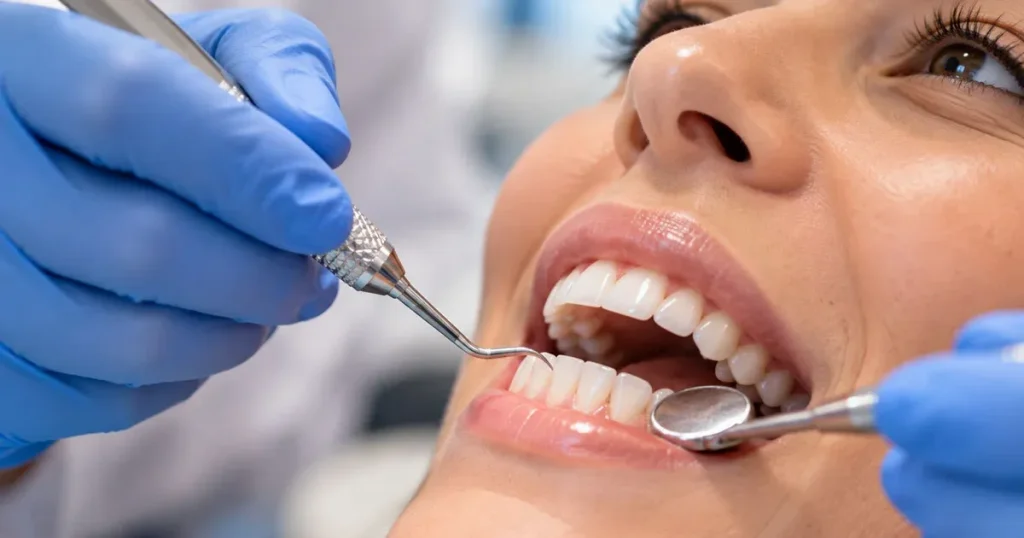
A cavity creates an area where bacteria and food particles may become trapped. As decay progresses, cleaning the affected area can become increasingly difficult.
Bad breath may also occur alongside a dental infection. Depending on the problem, other symptoms might include toothache, sensitivity, swelling, an unpleasant taste, or discomfort when chewing.
These problems generally cannot be corrected by mouthwash alone. You need to treat the underlying decay or infection.
5. Dry Mouth
Saliva does much more than keep your mouth comfortable. It helps clean the mouth, neutralize acids, and protect oral tissues.
When saliva production decreases, bacteria and food debris are not cleared as effectively. This can contribute to bad breath and increase the risk of tooth decay and oral infections.
The American Dental Association reports that dry mouth may result from factors including dehydration, certain medications, medical conditions, chemotherapy, and radiation therapy. Halitosis is also listed as a possible oral effect.
Drinking water regularly and chewing sugar-free gum may help stimulate or maintain saliva in some people. However, discuss persistent dry mouth with your dentist or physician so they can evaluate the underlying cause.
Does Mouthwash Fix Chronic Bad Breath?
Mouthwash can help, but it should not replace diagnosing the cause of persistent bad breath.
Some cosmetic rinses primarily mask unpleasant odors for a short period. The ADA explains that therapeutic mouthrinses containing certain antimicrobial ingredients may better control bacteria or compounds responsible for oral malodor. Mouthwash still does not replace proper brushing and flossing.
If bad breath returns shortly after using mouthwash, the underlying source may still be present.
How a Dentist Can Treat Persistent Bad Breath
Treatment depends on the cause. A dental examination can check the teeth, gums, tongue, existing restorations, and other areas of the mouth for possible sources of odor.
Depending on the findings, treatment may involve:
- Professional dental cleaning to remove plaque and tartar
- Improved brushing, flossing, and tongue-cleaning techniques
- Treatment for gingivitis or periodontal disease
- Restorative treatment for cavities or damaged teeth
- Treatment of a dental infection
- Strategies for managing dry mouth
- Recommendations for appropriate oral-care products
If your mouth looks healthy but halitosis continues, your dentist may recommend seeing a physician. Although most cases have an oral origin, persistent bad breath can occasionally be associated with conditions outside the mouth.

When Should You See a Dentist About Bad Breath?
Consider scheduling a dental examination if bad breath continues for several weeks despite consistent brushing, flossing, tongue cleaning, and hydration.
You should also arrange an appointment if bad breath occurs with bleeding gums, persistent tooth pain, swelling, loose teeth, a recurring unpleasant taste, visible decay, or ongoing dry mouth.
The goal is not simply to cover the odor. Finding and treating its source can improve your breath while also addressing oral health problems that might otherwise progress.
Find the Cause of Persistent Bad Breath in Encino
Persistent bad breath can be uncomfortable, but repeatedly reaching for mints or mouthwash may only provide temporary relief. If the problem comes from plaque buildup, gum disease, tooth decay, dry mouth, or another dental condition, treating the underlying cause is more effective.
If bad breath won’t go away, Encino Friendly Dental Center can evaluate your oral health and recommend treatment based on what’s causing the problem. Our team provides family, general, and cosmetic dental care for patients in Encino, CA, and surrounding communities.
Visit Encino Friendly Dental Center to learn more or schedule a dental appointment.