Choosing the right toothbrush and toothpaste may seem simple, but the many options available can make the decision confusing. From electric toothbrushes and whitening formulas to products designed for sensitive teeth, each serves a different purpose. Understanding these differences helps you maintain healthy teeth and gums while avoiding unnecessary irritation or damage.
At Encino Friendly Dental Center, we believe effective oral care begins with choosing products that match your individual needs. Whether you experience tooth sensitivity, frequent cavities, or gum problems, selecting the right dental products can improve your daily routine and support your long-term oral health.
Why Choosing the Right Toothbrush and Toothpaste Matters
Your toothbrush removes plaque, a sticky film of bacteria that forms on teeth throughout the day. Toothpaste supports cleaning while providing ingredients that help protect enamel, reduce sensitivity, or address specific oral health concerns.
Using unsuitable products or brushing too aggressively may contribute to gum irritation and tooth wear.
According to the American Dental Association (ADA), brushing twice daily for two minutes with fluoride toothpaste and a soft-bristled toothbrush is recommended for maintaining oral health.
However, certain dental conditions may require additional considerations.
How to Choose the Best Toothbrush for Your Teeth
1. Choose Soft Bristles Over Hard Bristles
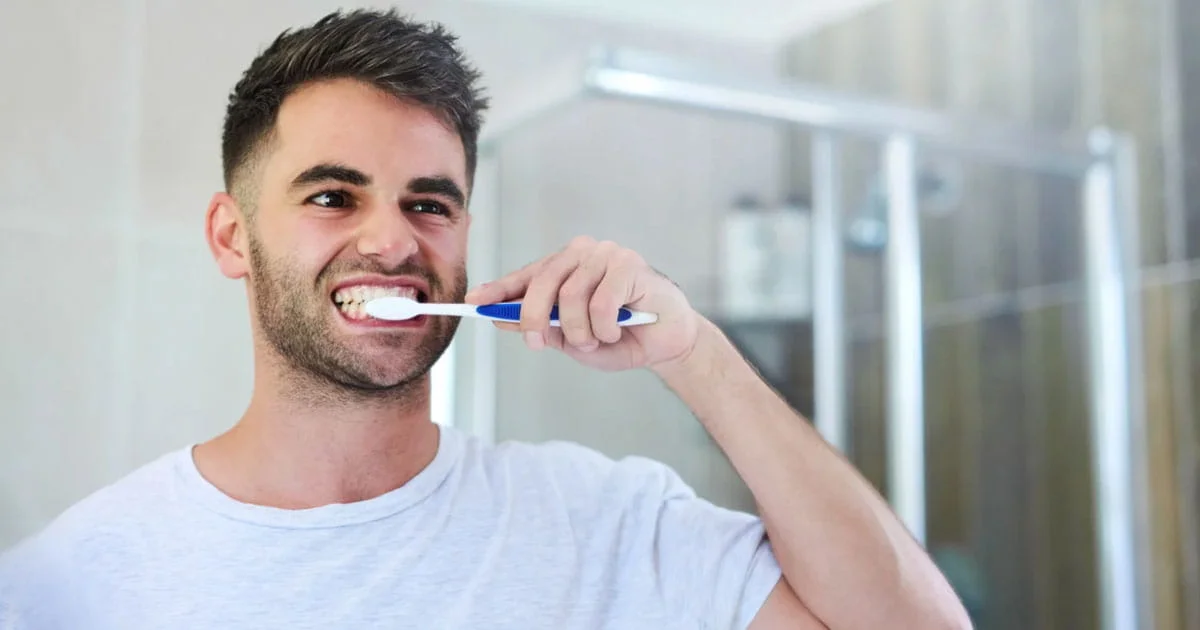
A soft-bristled toothbrush is generally recommended for both adults and children.
Although harder bristles might seem more effective, they can increase the risk of gum irritation and damage when combined with excessive pressure.
Soft bristles help remove plaque while remaining gentle on the gumline.
For most people, a toothbrush with a small head is preferable because it reaches difficult areas, including the back molars.
2. Electric vs. Manual Toothbrush: Which Is Better?
Both manual and electric toothbrushes can clean teeth effectively when used correctly.
Manual toothbrushes are affordable, portable, and easy to replace. Electric toothbrushes often include timers, pressure sensors, and automated brushing movements that help users maintain consistent techniques.
Electric Toothbrush Effectiveness
A 2020 systematic review and meta-analysis published in the International Journal of Dental Hygiene examined studies comparing powered and manual toothbrushes. Researchers found that powered toothbrushes generally performed better in reducing dental plaque, gum inflammation, and bleeding, although results varied across studies.
Electric toothbrushes may be particularly helpful for people with limited hand mobility, orthodontic appliances, or difficulty brushing thoroughly.
However, proper technique remains important regardless of the toothbrush type.
3. Consider Your Dental Conditions
Different oral health needs may influence toothbrush selection.
- Sensitive gums: Choose extra-soft bristles and avoid excessive pressure.
- Braces: Consider an orthodontic toothbrush or electric brush designed to clean around brackets.
- Limited hand mobility: An electric toothbrush with a comfortable grip may make brushing easier.
- Children: Select a child-sized brush with soft bristles and an appropriately sized handle.
A dentist can recommend suitable options based on your oral health.
How to Choose the Best Toothpaste for Your Dental Needs
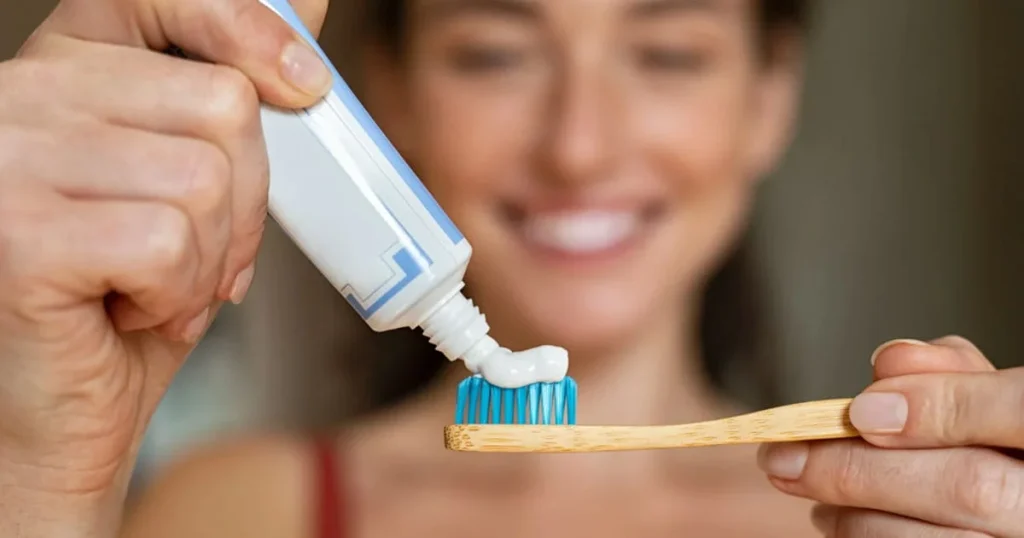
Choosing toothpaste involves more than selecting a flavor or brand.
The most important consideration is identifying which ingredients address your dental concerns.
1. Fluoride Toothpaste for Everyday Cavity Protection
For most adults and children, fluoride toothpaste is an appropriate everyday choice.
Fluoride helps strengthen tooth enamel and supports remineralization, a natural process that repairs early mineral loss.
Fluoride Toothpaste and Cavity Prevention
A 2019 Cochrane systematic review analyzed 96 studies comparing fluoride toothpaste concentrations. Researchers found that fluoride toothpaste helps prevent tooth decay compared with non-fluoride alternatives, with evidence suggesting that fluoride concentration can influence effectiveness.
For most adults, standard fluoride toothpaste is suitable. Patients with a higher risk of cavities may benefit from prescription-strength fluoride products recommended by their dentist.
2. Toothpaste for Sensitive Teeth
Tooth sensitivity commonly causes discomfort when consuming hot, cold, sweet, or acidic foods.
Toothpaste formulated for sensitivity may contain ingredients such as potassium nitrate or stannous fluoride.
These ingredients work through different mechanisms to reduce sensitivity associated with exposed dentin.
Consistent use is usually necessary before noticeable improvement occurs.
However, persistent or localized sensitivity should be evaluated because cavities, cracked teeth, and gum recession can produce similar symptoms.
3. Whitening Toothpaste for Surface Stains
Whitening toothpaste generally works by removing surface stains caused by coffee, tea, and certain foods.
Many products contain mild polishing agents, while some include additional whitening ingredients.
However, whitening toothpaste cannot produce the same results as professional whitening treatments for deeper discoloration.
Individuals with sensitive teeth or enamel concerns should ask their dentist which products are appropriate.
For professional options, explore teeth whitening services at Encino Friendly Dental Center.
4. Toothpaste for Gum Health
If your gums frequently bleed or appear swollen, choosing toothpaste designed to reduce plaque and gum inflammation may help.
Certain formulations contain stannous fluoride, an ingredient associated with antibacterial activity.
Stannous Fluoride and Gingivitis
A clinical study involving 150 participants, published in the Journal of Clinical Dentistry, evaluated a stannous fluoride toothpaste over two months. Researchers observed significant improvements in gum inflammation and bleeding, with the tested formulation outperforming the comparison toothpaste on several measures.
However, bleeding gums may indicate gingivitis or periodontal disease and should not be managed with toothpaste alone.
Professional evaluation helps identify the underlying cause.
Choosing Toothbrushes and Toothpaste for Children
Children require dental products suited to their age and development.
The ADA recommends using a rice-sized smear of fluoride toothpaste for children younger than three. Children aged three through six should use a pea-sized amount.
Parents should supervise brushing to help children clean thoroughly and minimize swallowing toothpaste.
Child-sized toothbrushes with soft bristles are generally appropriate.
Establishing consistent brushing habits early helps children develop routines that support lifelong oral health.
Common Mistakes to Avoid When Selecting Dental Products
Even quality products may be ineffective when used incorrectly.
Some common mistakes include:
- Choosing hard bristles: Aggressive brushing can irritate gums and contribute to tooth wear.
- Replacing fluoride toothpaste unnecessarily: Fluoride-free alternatives may not provide equivalent cavity protection.
- Using whitening products excessively: Some formulations may increase sensitivity.
- Keeping toothbrushes too long: Replace toothbrushes every three to four months, or sooner if the bristles become frayed.
- Ignoring persistent symptoms: Ongoing bleeding, pain, or sensitivity requires professional attention.
Remember that proper brushing technique matters as much as product selection.
Build an Effective Daily Oral Care Routine
For better oral health, brush twice daily for two minutes using gentle pressure and fluoride toothpaste.
Clean between your teeth daily with floss or another appropriate interdental cleaning tool.
Reduce frequent consumption of sugary snacks and drinks, and maintain regular dental appointments.
Routine dental examinations and professional cleanings help identify problems that daily brushing alone cannot address.

Get Personalized Dental Advice at Encino Friendly Dental Center
The best toothbrush and toothpaste are those that address your dental needs and support consistent daily care.
At Encino Friendly Dental Center, we provide family, general, and cosmetic dentistry for patients in Encino, CA, and surrounding communities. Our team can evaluate your teeth and gums, discuss your oral hygiene habits, and recommend suitable dental products.
Whether you need preventive care, help managing sensitivity, or guidance on improving your brushing routine, professional advice can help you make informed decisions.
Visit Encino Friendly Dental Center or call (818) 788-4545 to schedule an appointment and receive personalized recommendations to maintain a healthy smile.