
Missing teeth can affect more than your appearance. They can change how you eat, speak, and feel about your smile. Over time, tooth loss may also impact your jawbone health and the alignment of nearby teeth.
At Encino Friendly Dental Center, patients throughout Encino, CA, and the surrounding areas often ask whether dental implants are the right solution for restoring their smile. This guide explains how dental implants work, who may benefit from them, and what to expect during the process.
What Are Dental Implants?
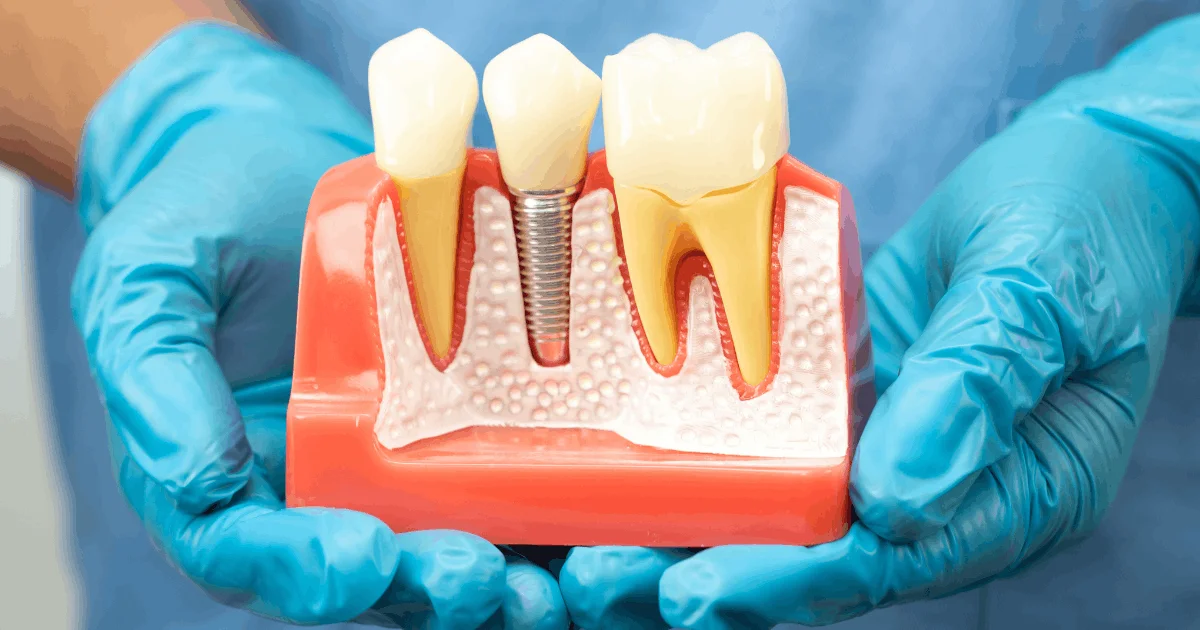
Dental implants are artificial tooth roots typically made from titanium. They are placed into the jawbone to support a replacement tooth, dental bridge, or denture.
A complete dental implant usually includes:
- The implant post is placed in the jawbone
- An abutment that connects the implant to the restoration
- A custom crown, bridge, or denture
Dental implants are designed to function similarly to natural teeth. Unlike removable dentures, implants stay securely in place and help support jawbone health.
According to the American Academy of Implant Dentistry, millions of dental implants are placed annually in the United States, making them among the most widely used tooth-replacement options today.
Why Replacing Missing Teeth Matters
Some people delay treatment after losing a tooth, especially if the gap is not immediately visible. However, missing teeth can lead to additional oral health concerns over time.
Potential issues include:
Bone Loss in the Jaw
The jawbone depends on stimulation from tooth roots to maintain its strength. When a tooth is missing, the surrounding bone may begin to shrink.
Shifting Teeth
Nearby teeth can gradually move into the empty space, which may affect bite alignment and increase cleaning difficulties.
Difficulty Eating and Speaking
Missing teeth may make it harder to chew certain foods clearly or pronounce words comfortably.
Changes in Facial Appearance
Tooth loss and bone reduction can contribute to facial sagging or an older appearance over time. Dental implants help address many of these concerns by replacing both the visible tooth and the underlying root structure.
Who Is a Good Candidate for Dental Implants?
Many adults with missing teeth may qualify for dental implants, but every patient should receive an individual evaluation.
You may be a good candidate if you:
- Have one or more missing teeth
- Have healthy gums
- Have sufficient jawbone density
- Do not smoke heavily
- Maintain good oral hygiene habits
- Are generally in good overall health
Even patients who have experienced bone loss may still qualify through procedures such as bone grafting.
At Encino Friendly Dental Center, a dental evaluation and imaging process can help determine the most appropriate treatment plan for your needs.
Types of Dental Implants
Different patients require different implant solutions depending on how many teeth are missing and the condition of the surrounding teeth.
Single Tooth Implants
A single implant supports one replacement crown and is often used when only one tooth is missing.
Implant-Supported Bridges
These bridges replace multiple missing teeth without relying on neighboring natural teeth for support.
Implant-Supported Dentures
Patients missing most or all teeth may benefit from implant-supported dentures, which offer greater stability than traditional removable dentures.

What to Expect During the Dental Implant Process
Dental implant treatment typically occurs over several stages. The timeline varies depending on the patient’s oral health and whether additional procedures are needed.
Step 1: Consultation and Examination
The process begins with a dental exam, digital imaging, and discussion of your goals and oral health history.
Step 2: Implant Placement
The implant post is surgically placed into the jawbone. Local anesthesia is commonly used to help keep patients comfortable during the procedure.
Step 3: Healing and Osseointegration
Over several months, the implant integrates with the jawbone through a process called osseointegration. This creates a stable foundation for the replacement tooth.
Step 4: Abutment Placement
Once healing is complete, the connector piece is attached to the implant.
Step 5: Final Restoration
A custom crown, bridge, or denture is secured to complete the restoration.
Are Dental Implants Painful?
Many patients are surprised to learn that implant placement is often more comfortable than expected.
Local anesthesia helps numb the area during treatment, and most patients report manageable soreness afterward. Recovery experiences vary, but many people return to normal activities within a few days.
Following aftercare instructions carefully can help support healing and reduce discomfort.
Benefits of Dental Implants
Dental implants offer several advantages compared to other tooth replacement options.
Natural Appearance
Implants are customized to blend with surrounding teeth for a natural-looking smile.
Long-Term Durability
With proper care, dental implants can last many years.
Improved Stability
Unlike removable dentures, implants stay securely in place while eating and speaking.
Jawbone Support
Implants stimulate the jawbone similarly to natural tooth roots.
No Impact on Adjacent Teeth
Traditional bridges may require modification of nearby teeth, while implants do not rely on neighboring teeth for support.
How to Care for Dental Implants
Dental implants require ongoing oral hygiene and routine dental care to remain healthy.
Patients should:
- Brush twice daily
- Floss regularly
- Attend professional dental cleanings
- Avoid smoking
- Limit habits such as chewing ice or hard objects
Consistent maintenance plays an important role in long-term implant success.
Dental Implants vs. Other Tooth Replacement Options
Patients often compare implants with bridges or dentures before deciding on treatment.
Dental Bridges
Bridges may offer a quicker solution, but they often rely on adjacent teeth for support.
Traditional Dentures
Dentures can restore appearance and function, but some patients experience slipping or reduced stability.
Dental Implants
Implants provide a fixed solution designed to support comfort, function, and jawbone health over time.
The best option depends on your oral health, goals, and budget.
Questions to Ask During a Dental Implant Consultation
Before starting treatment, patients may benefit from asking questions such as:
- Am I a candidate for implants?
- How long will treatment take?
- What type of implant restoration is best for me?
- Will I need bone grafting?
- What should I expect during recovery?
- How should I care for my implants long-term?
A consultation can help patients better understand their options and feel more confident about treatment decisions.

Why Patients in Encino Choose Dental Implants
Patients in Encino and nearby communities often choose dental implants because they offer a stable, long-term solution for missing teeth while supporting overall oral health.
Modern implant dentistry also enables highly customized treatment plans tailored to each patient’s goals and dental condition.
Whether replacing one tooth or several, implants can help restore everyday comfort and confidence.
Schedule a Consultation at Encino Friendly Dental Center
If you are exploring options for replacing missing teeth, the team at Encino Friendly Dental Center can help you understand whether dental implants are right for your smile.
A personalized consultation can provide answers about treatment options, timelines, and long-term care so you can make an informed decision about your oral health.
Visit https://encinofriendlydentalcenter.com/ to learn more or schedule an appointment.