
Dental fillings, crowns, bridges, and other restorations help protect damaged teeth and restore everyday functions. However, even well-maintained dental work may eventually wear down, loosen, or develop problems that require professional attention.
At Encino Friendly Dental Center, patients in Encino, CA, and surrounding communities can receive evaluations to determine whether existing dental restorations remain functional.
Recognizing potential warning signs early can help prevent further tooth damage, discomfort, and more complicated treatment. Understanding what to watch for also makes it easier to discuss appropriate restorative options with your dentist.
How Long Does Dental Work Typically Last?
The lifespan of dental restorations varies depending on the material, location, oral hygiene habits, and daily wear.
Composite fillings, porcelain crowns, bridges, and other restorations may remain functional for many years. However, no restoration is guaranteed to last indefinitely.
A 2025 umbrella review published in the Journal of Esthetic and Restorative Dentistry examined 16 systematic reviews involving more than 15,000 restorations. Researchers found that conventional composite restorations demonstrated survival rates exceeding 90% after five years, although outcomes varied with materials, bonding methods, and patient-related factors.
These findings reinforce the importance of routine examinations rather than replacing dental work based on age alone.
1. Persistent Tooth Sensitivity
Occasional sensitivity does not necessarily indicate a failing restoration. However, discomfort that develops around an older filling or crown deserves attention.
You might notice sensitivity when consuming cold drinks, hot foods, or sweets.
Possible causes include:
- Exposed tooth structure near a restoration
- Tooth decay around an existing filling
- Changes in the restoration’s seal
- Cracks affecting the tooth or restoration
Your dentist can determine whether the sensitivity requires treatment, monitoring, or replacement of the existing dental work.
2. Visible Cracks or Chips
Dental restorations experience considerable pressure from chewing and grinding.
Over time, fillings and crowns may develop small fractures, particularly in teeth exposed to repeated biting forces.
A chipped crown or cracked filling may create rough edges that irritate your tongue or cheeks. Larger fractures can leave underlying tooth structure vulnerable.
A 2015 systematic review published in Dental Materials evaluated 1,821 anterior composite restorations. Researchers identified fractures involving teeth or restorations as the most common reason for failure.
Even small visible cracks should be professionally evaluated to determine whether repair or replacement is appropriate.
3. A Loose Filling or Dental Crown
A filling or crown should remain securely attached during normal eating and speaking.
If you notice movement, shifting, or a sensation that your restoration no longer fits properly, schedule a dental evaluation.
Loose restorations may allow food particles and bacteria to collect around the affected tooth.
Avoid chewing hard or sticky foods on that side until your dentist examines the area. Do not attempt to permanently reattach dental work using household adhesives.
4. Dark Lines or Discoloration Around Fillings
Changes in color near an older restoration may indicate staining, material wear, or possible tooth decay.
For example, dark lines around filling edges can develop over time.
However, discoloration alone does not prove that a restoration has failed.
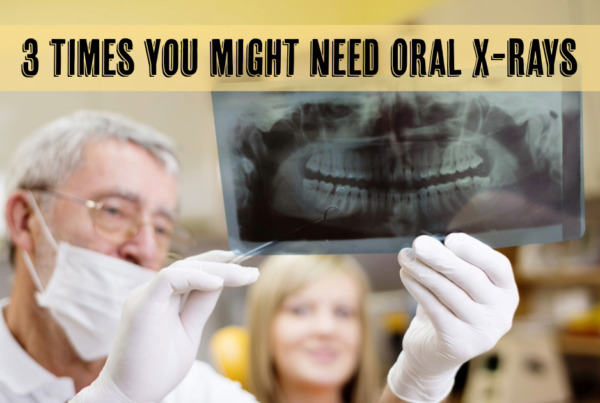
Your dentist may use clinical examination, dental X-rays, and other diagnostic methods to investigate the cause.
If decay is detected, treatment will depend on its location, severity, and the condition of the existing restoration.

5. Pain When Biting or Chewing
Pain while biting can indicate problems involving a restored tooth.
Possible explanations include a cracked tooth, uneven bite pressure, inflammation, or damage beneath an existing restoration.
You might experience sharp discomfort when chewing firm foods or releasing pressure after biting.
Do not ignore persistent chewing pain, especially when it involves a tooth with extensive previous dental treatment.
An examination can help determine whether the restoration needs adjustment, repair, replacement, or additional treatment.
6. Recurrent Tooth Decay Around Restorations
A restored tooth can still develop cavities.
Decay occurring near an existing filling or crown is commonly called secondary or recurrent caries.
A 2020 review published in Clinical Oral Investigations examined how secondary caries develops, is detected, and is managed. Researchers identified factors such as restoration gaps and individual cavity risk as relevant considerations.
Importantly, the review also explained that some defective restorations can be repaired rather than completely replaced.
Professional evaluation helps distinguish between minor issues and decay requiring more extensive treatment.
7. Food Frequently Getting Trapped Around Dental Work
Occasional food trapping is common, but repeated accumulation around one particular restoration may indicate a problem.
An older filling or crown may have an uneven edge, damaged contact point, or altered fit.
Repeated food accumulation can irritate gums and make cleaning more difficult.
If floss repeatedly catches, shreds, or becomes difficult to remove near a restoration, mention this during your dental appointment.
Your dentist can check whether the problem involves the restoration, tooth alignment, or surrounding gums.
8. Swollen or Irritated Gums Near a Crown
Healthy gums should generally remain comfortable around properly maintained dental restorations.
Persistent redness, swelling, bleeding, or tenderness near a crown or bridge may indicate plaque accumulation, gum disease, or an issue with the restoration’s fit.
Not every case requires replacing the dental work.
Sometimes improved cleaning techniques or periodontal treatment can resolve the problem.
However, persistent swelling, especially with pain or discharge, requires prompt professional assessment.
Can Old Dental Work Be Repaired Instead of Replaced?
Not every damaged restoration needs complete replacement.
Depending on its condition, your dentist may recommend polishing rough surfaces, repairing a small defect, adjusting the bite, or replacing only the damaged material.
More extensive damage, recurrent decay, or inadequate remaining tooth structure may require a new restoration.
At Encino Friendly Dental Center, available restorative services include composite fillings and dental crowns.
The appropriate option depends on your dental examination, tooth condition, and individual treatment needs.
How to Help Your Dental Restorations Last Longer
Preventive care can help preserve both natural teeth and existing restorations.
Brush twice daily using fluoride toothpaste, clean between your teeth, and attend dental examinations at intervals recommended by your dentist.
Avoid chewing ice or using your teeth to open packaging. If you grind your teeth, ask whether a protective nightguard may be appropriate.
Regular examinations help identify developing problems before significant discomfort occurs.

Protect Your Smile With Encino Friendly Dental Center
Old dental work does not automatically require replacement, but persistent discomfort, visible damage, or changes in fit should never be ignored.
At Encino Friendly Dental Center, patients in Encino, CA, can receive comprehensive dental examinations and personalized restorative care.
Whether you are concerned about an aging filling, damaged crown, or recurring sensitivity, professional evaluation can help identify the appropriate next step.
Contact Encino Friendly Dental Center today to schedule a dental examination and protect your long-term oral health.