
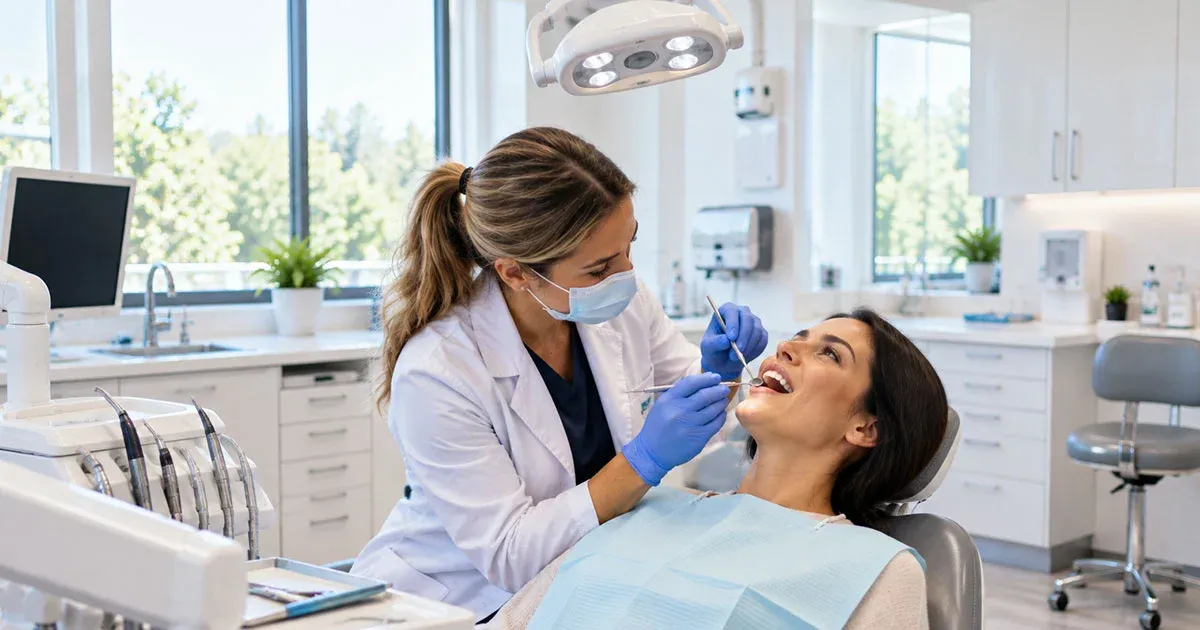
Most serious dental problems do not start as emergencies. A painful tooth may begin as a small area of decay. Gum disease can start with mild inflammation or bleeding. A damaged tooth may initially have a tiny crack that is easy to overlook.
Preventive dentistry focuses on identifying and managing these issues before they become more complicated. At Encino Friendly Dental Center, preventive dental care is an important part of helping patients in Encino, CA, and surrounding communities protect their teeth and gums for the long term.
Here is how a proactive approach to oral health can reduce the likelihood of bigger dental problems later.
What Is Preventive Dentistry?
Preventive dentistry includes professional care and everyday habits that reduce the risk of tooth decay, gum disease, tooth loss, and other oral health problems.
Depending on your individual needs, preventive dental care may include:
- Routine dental examinations
- Professional teeth cleanings
- Dental X-rays when appropriate
- Fluoride treatments
- Dental sealants
- Gum health evaluations
- Oral cancer screenings
- Personalized brushing and flossing recommendations
- Monitoring existing fillings, crowns, and other dental work
Prevention doesn’t mean you can avoid every dental problem. Instead, the goal is to reduce known risks and identify changes early enough that treatment may be simpler.
Catching Tooth Decay Before It Becomes a Bigger Problem
Cavities develop when acids produced by bacteria contribute to the loss of minerals from tooth enamel. In their earliest stages, cavities may cause no noticeable pain.
That makes professional examinations particularly valuable. A dentist may identify signs of decay before you realize anything is wrong.
According to the Centers for Disease Control and Prevention (CDC), approximately 21% of U.S. adults ages 20–64 have at least one untreated cavity. The CDC also notes that fluoride can help prevent cavities and support the repair of early mineral loss in enamel.
When decay is identified early, treatment may be relatively straightforward. When it progresses deeper into the tooth, however, it can reach the inner pulp, potentially causing significant discomfort, infection, and more extensive dental treatment.
Professional Cleanings Protect Areas You May Miss
Good oral hygiene begins at home, but even careful brushing and flossing can leave plaque in difficult-to-reach areas.
Professional dental cleanings help remove plaque and hardened deposits from areas around the teeth and gumline. Your dental team can also identify places where plaque repeatedly accumulates and recommend ways to improve your home routine.
The CDC recommends brushing twice daily with fluoride toothpaste and cleaning between the teeth to remove dental plaque.
These simple habits, combined with appropriate professional care, form the foundation of preventive dentistry.
Preventive Dentistry Helps Protect Your Gums
Healthy teeth depend on healthy gums.
Early gum disease may produce symptoms such as red, swollen, tender, or bleeding gums. Some people, however, may not recognize the early warning signs.
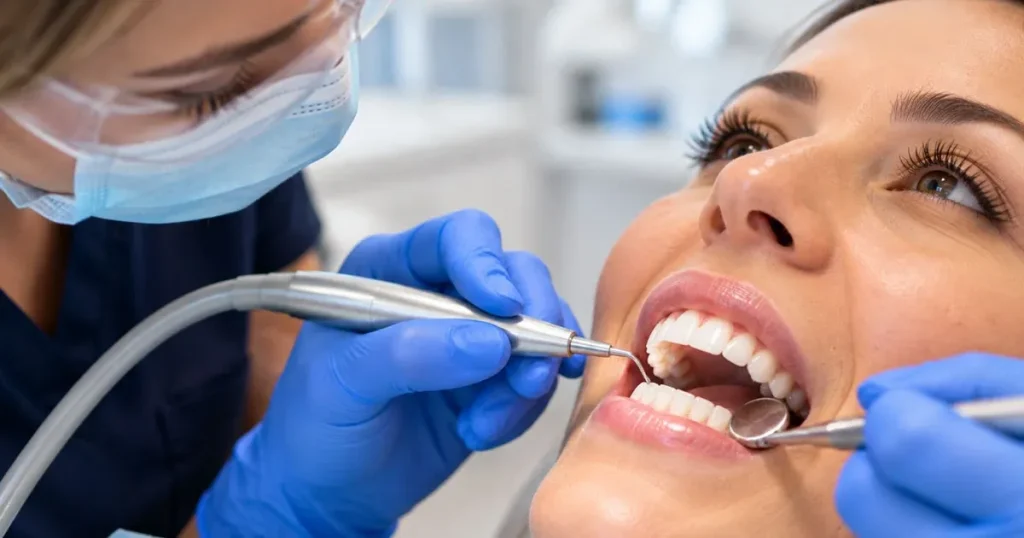
During a preventive dental visit, the dentist can examine the gums and look for changes that may require additional attention. Addressing gum inflammation early matters because more advanced periodontal disease can damage the tissues and bone that support the teeth.
This is another reason to schedule dental care even when nothing hurts. Waiting for pain is not a reliable preventive strategy.
Regular Dental Care Can Support Better Long-Term Oral Health
Research supports the value of maintaining an ongoing relationship with dental care.
A 2024 systematic review examined longitudinal studies from five countries. The researchers found that regular dental attendance was consistently associated with less experience of dental caries, fewer missing teeth, and better oral-health-related quality of life.
Importantly, preventive care should be personalized rather than based solely on a universal schedule.
A Cochrane review involving 1,736 participants found little to no difference between six-month and risk-based recall schedules for several oral health outcomes in adults. The findings support determining dental checkup frequency based on an individual’s oral health and risk factors rather than assuming everyone needs the same schedule.
Your dentist can recommend an appropriate schedule based on factors such as your cavity history, gum health, age, medications, existing restorations, and overall health.
Fluoride and Sealants Can Provide Additional Protection
Some patients benefit from preventive treatments beyond examinations and cleanings.
Fluoride helps strengthen tooth enamel and makes it more resistant to acid damage. It can benefit both children and adults, particularly those with an increased risk of cavities.
Dental sealants offer another layer of protection. Sealants are thin coatings placed over the chewing surfaces of back teeth, where deep grooves can collect bacteria and food particles.
CDC data show that dental sealants can prevent 80% of cavities in the back teeth during the first two years after application and continue providing meaningful protection for several years.
Your dentist can determine whether fluoride treatments or sealants are appropriate for you or your child.
Preventive Visits Can Identify More Than Cavities
A dental checkup is not simply a cavity search.
Your dentist also evaluates the condition of existing dental work and looks for signs of cracked or worn teeth, gum problems, changes in your bite, and abnormalities involving the soft tissues of the mouth.
For example, a damaged filling may not hurt immediately. Detecting it during an exam may let you address the problem before more tooth structure is lost.
This broader evaluation is one reason preventive appointments remain useful even for people who brush and floss consistently and rarely experience dental pain.
Prevention Starts at Home
Professional preventive dentistry works best alongside consistent daily habits.
Brush twice a day with fluoride toothpaste, clean between your teeth daily, limit sugary foods and beverages, and watch for changes in your mouth.
Do not ignore persistent sensitivity, bleeding gums, swelling, bad breath, pain when chewing, or a chipped or loose tooth. These symptoms deserve professional evaluation rather than waiting to see whether they disappear.
Make Preventive Dental Care Part of Your Routine
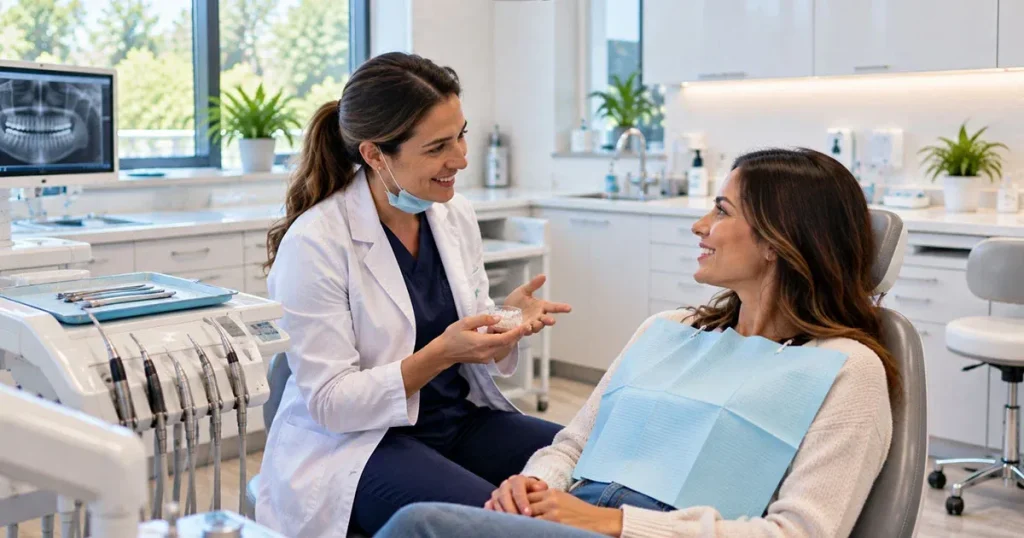
Preventive dentistry addresses small concerns before they have a chance to become bigger ones. Regular examinations, professional cleanings, appropriate fluoride or sealant treatments, and good home care can all contribute to healthier teeth and gums over time.
If it has been a while since your last dental visit, Encino Friendly Dental Center provides family, general, and cosmetic dental care for patients in Encino, CA, and surrounding areas.
Schedule a preventive dental appointment with Encino Friendly Dental Center to have your current oral health evaluated and receive recommendations based on your individual needs.


