A chipped or cracked tooth can happen without warning. You might bite into something hard, take an accidental hit to the mouth, grind your teeth at night, or simply notice that a tooth suddenly feels different when you chew.
Even when the damage seems minor, it is worth paying attention to. Some cracks affect only the outer portion of a tooth, while others extend deeper and can expose or irritate the sensitive tissue inside.
At Encino Friendly Dental Center, patients in Encino, CA, and surrounding communities can have damaged teeth evaluated to determine the extent of the problem and the appropriate treatment. Knowing what to do immediately after damaging a tooth can also help protect it until you reach the dentist.
How Do You Know If You Chipped or Cracked a Tooth?
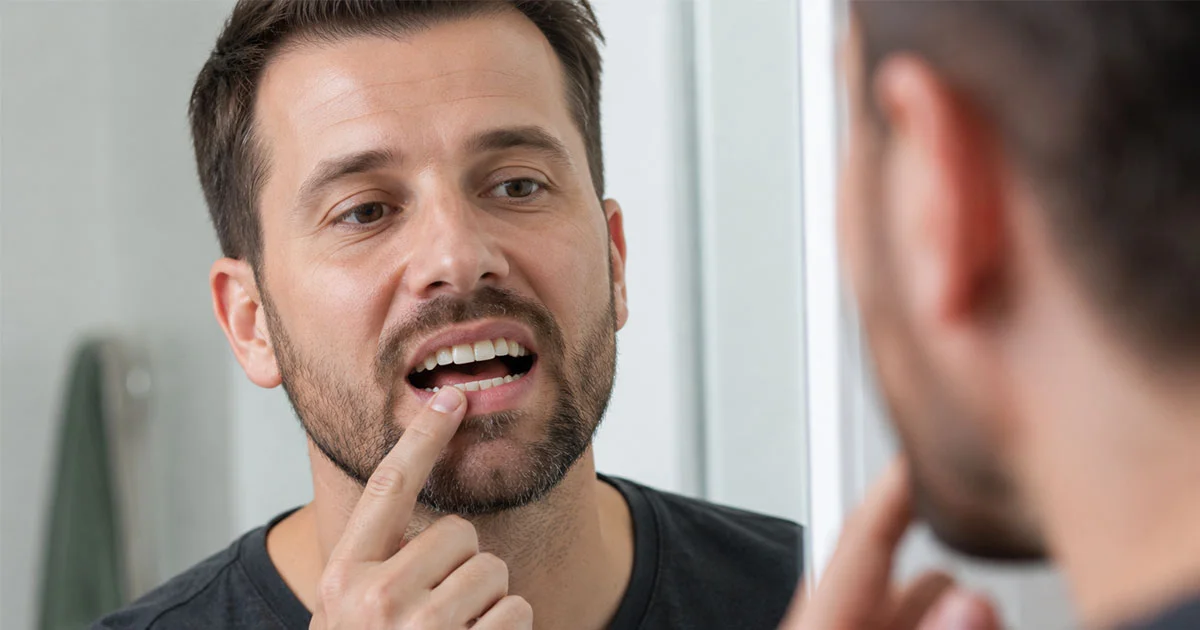
A chipped tooth is often easier to notice because a small piece of the tooth may visibly break away. You might feel a rough or sharp edge with your tongue or notice that the tooth looks different.
Cracks can be harder to identify. Some are extremely small and may not be obvious in the mirror.
Possible symptoms include:
- Pain when biting or chewing
- Sensitivity to hot, cold, or sweet foods
- Intermittent tooth pain
- A sharp or rough area on the tooth
- Swelling around the affected tooth
- Pain when releasing your bite
- A visible line running through the tooth
Do not assume that a lack of severe pain means the tooth is fine. The location and depth of the damage often matter more than how dramatic the tooth looks.
Research supports carefully evaluating cracked teeth. A 2024 systematic review and meta-analysis of 27 studies found that outcomes varied by tooth condition and type of restoration. Cracked teeth with vital pulp showed tooth survival rates of approximately 92.8% to 97.8% across follow-up periods of one to six years.
What to Do Immediately After Chipping or Cracking a Tooth
If you suspect dental damage, the first priority is preventing further injury.
1. Rinse Your Mouth
Gently rinse with lukewarm water. This can remove food particles and help you better assess where the damage occurred.
Avoid aggressively brushing or poking the damaged area.
2. Save Any Broken Pieces
If part of the tooth has broken off, collect the fragment if you can. Keep it clean and bring it with you to your dental appointment.
Your dentist can determine whether the fragment is useful for treatment.
3. Manage Swelling
If the area around the tooth or jaw begins swelling, apply a cold compress to the outside of your cheek for short intervals.
Do not place ice directly against the tooth or gum tissue.
4. Protect Sharp Edges
A chipped tooth can leave a sharp surface that irritates your tongue, cheek, or lip. Dental wax can temporarily cover the edge until you receive professional care.
This is only a temporary measure and should not replace a dental evaluation.
5. Avoid Chewing on That Side
Continue eating carefully until a dentist examines the tooth. Choose softer foods and avoid chewing directly on the damaged tooth.
Hard candy, ice, nuts, popcorn kernels, and similarly hard foods can put extra pressure on an already weakened tooth.
Should You See a Dentist for a Small Chip?
Yes, particularly if you are unsure how extensive the damage is.
A very small enamel chip may require relatively simple treatment or, in some cases, only monitoring. However, what looks like a small defect could be linked to a larger crack that’s hard to see without a dental exam.
Your dentist may examine your bite, test the tooth’s sensitivity, evaluate the surrounding gums, and use dental imaging when appropriate.
Early assessment can also help determine whether the tooth’s inner pulp remains healthy.
A prospective study following cracked teeth with reversible pulp inflammation found a 100% tooth survival rate among the 29 teeth followed for up to four years after treatment. The researchers also found that pain when the tooth was tapped or pressed was associated with poorer pulp survival, showing why symptoms can provide useful information when planning treatment.
How Are Chipped Teeth Treated?
Treatment depends on how much tooth structure is missing.
Dental Bonding
Small chips may sometimes be repaired using tooth-colored composite material. The material is shaped to restore the missing portion of the tooth and improve its appearance and function.
Dental Veneers
For certain damaged front teeth, a veneer may be considered when cosmetic appearance is an important concern. A veneer covers the front surface of the tooth.
Dental Crowns
When a substantial amount of tooth structure has been damaged or weakened, a dental crown may be recommended. The crown covers and protects the tooth while restoring its shape and chewing function.
How Are Cracked Teeth Treated?
Cracked teeth require individualized treatment because cracks can vary considerably in depth and location.
A limited crack may sometimes be managed with a restoration that protects the tooth. More extensive cracks may require a crown to stabilize the remaining tooth structure.
If a crack reaches the pulp and causes irreversible inflammation or infection, root canal treatment may be necessary. During root canal therapy, affected tissue inside the tooth is removed before the tooth is sealed and restored.
Importantly, a cracked tooth does not automatically require extraction.
A systematic review and meta-analysis of endodontically treated cracked teeth reported an overall survival rate of approximately 84.1% after five years. The researchers concluded that root canal treatment should be considered as a tooth-preserving option rather than automatically choosing extraction when clinically appropriate.
However, some cracks extend too deeply for predictable repair. Your dentist must examine the tooth before deciding whether restoration or extraction is appropriate.
When Is a Chipped or Cracked Tooth an Emergency?
Seek prompt dental attention if you experience severe or worsening pain, significant swelling, uncontrolled bleeding, a loose permanent tooth, or extensive tooth damage.
You should also contact a dentist quickly if the tooth becomes extremely sensitive or you notice swelling around the gums or face.
Dental trauma accompanied by significant facial injury or other medical symptoms may require emergency medical attention as well.
Can You Prevent Teeth From Cracking?
Not every accident is preventable, but reducing unnecessary stress on your teeth can lower your risk.
Avoid chewing ice and other extremely hard objects. Wear an appropriate mouthguard during contact sports or activities where your teeth could be injured.
If you grind or clench your teeth, particularly while sleeping, discuss it with your dentist. Repeated pressure can contribute to tooth wear and structural damage over time.
Regular dental examinations are also useful because they give your dentist an opportunity to identify worn restorations, damaged teeth, or other concerns before symptoms become more noticeable.
Protect Your Tooth With Prompt Dental Care in Encino
Don’t ignore a chipped or cracked tooth just because the discomfort is manageable. The appropriate treatment depends on where the damage occurred, how deeply it extends, and whether the inner portion of the tooth has been affected.
Encino Friendly Dental Center provides family, cosmetic, and general dentistry for patients in Encino, CA, and surrounding areas. If you have chipped or cracked a tooth, a professional evaluation can help you understand the damage and your treatment options.
Visit Encino Friendly Dental Center to learn more and schedule an appointment for a damaged or painful tooth.